Forgiveness is the gateway to emotional freedom and inner peace. It takes strength to release resentment, let go of old wounds, and free yourself from the weight of past hurts, especially when holding on can feel like a form of self-protection. Without forgiveness, negative emotions like anger, bitterness, and regret can linger, shaping your thoughts, draining your energy, and keeping you tied to experiences that no longer serve you. But when you choose to forgive, you reclaim your power. You affirm that your well-being matters more than past pain. Forgiveness nurtures emotional clarity by helping you move beyond old narratives and create space for healing, compassion, and renewal. It also accelerates personal growth, as it teaches you to face difficult emotions, understand your inner landscape, and open yourself to healthier relationships and deeper self-understanding. Through the practice of forgiveness, you become lighter, more grounded, and more capable of living a life guided by peace rather than pain.
Read MoreHolding onto negative emotions like anger, fear, resentment, or clinging to toxic relationships can quietly erode our well-being, even if we aren’t immediately aware of it. These emotions act like weights, anchoring us to past wounds and preventing us from fully experiencing the present. Anger and resentment, when nurtured over time, can distort our perception, fuel stress, and even manifest physically as tension, headaches, or weakened immunity. Fear limits our choices, stifling growth and keeping us trapped in patterns that no longer serve us. Toxic relationships amplify these effects, draining our energy, undermining our self-worth, and often reinforcing cycles of pain and disappointment. The longer we hold onto these burdens, the more they shape our reality, quietly dictating our reactions, decisions, and sense of inner peace.
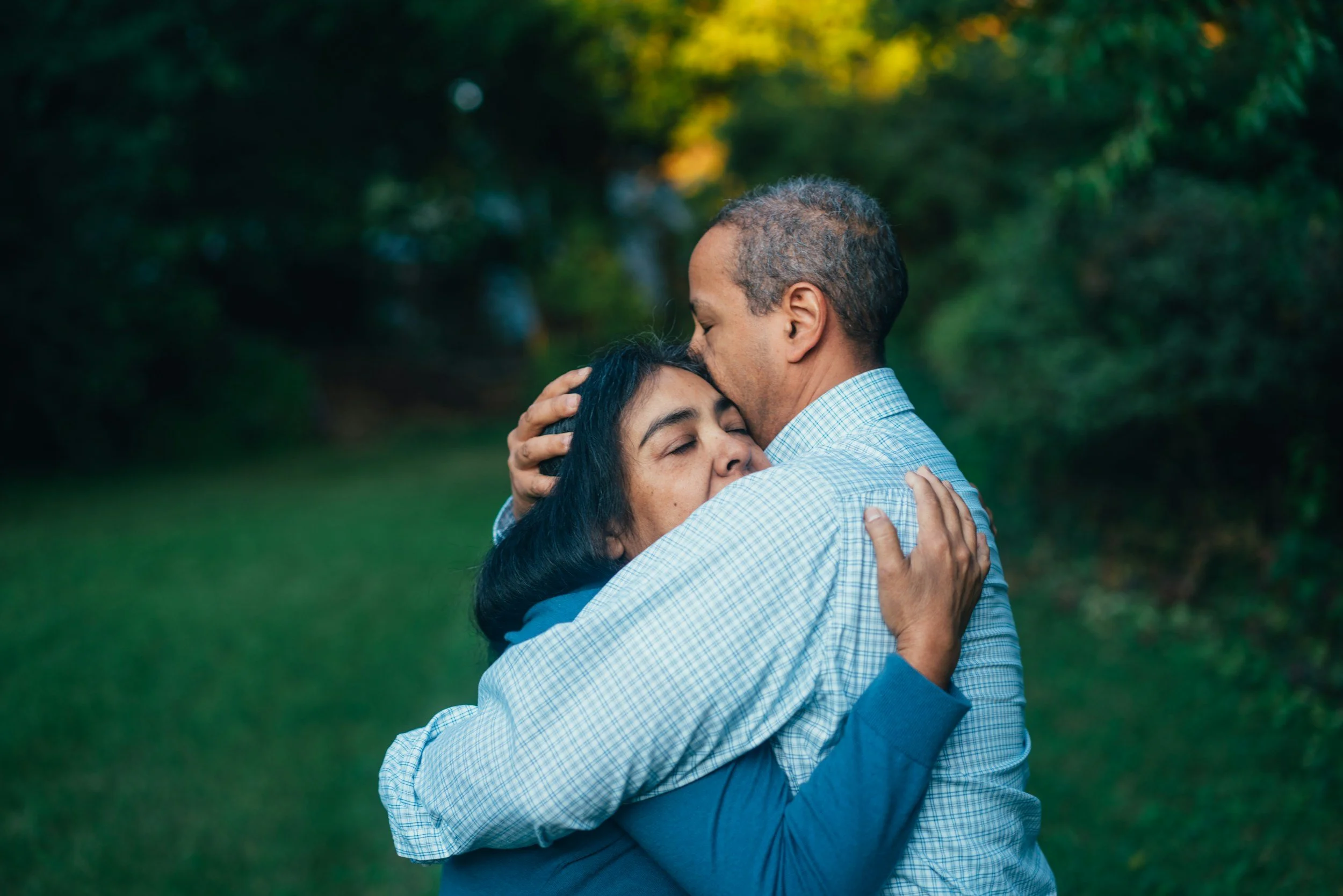
Read MoreKindness is the heart of genuine connection and personal growth. It begins within, through the gentle choice to treat yourself with patience, care, and understanding, and radiates outward, touching everyone around you. When you lead with kindness, you create ripples of comfort and joy that extend far beyond what you can see.
Kindness reminds us that we all need tenderness, especially in moments of stress or uncertainty. A kind word, a soft tone, or a simple gesture can soothe someone’s heart, ease their burdens, and remind them that they are not alone. In this way, kindness becomes a quiet form of healing, it bridges divides, softens pain, and restores a sense of hope.
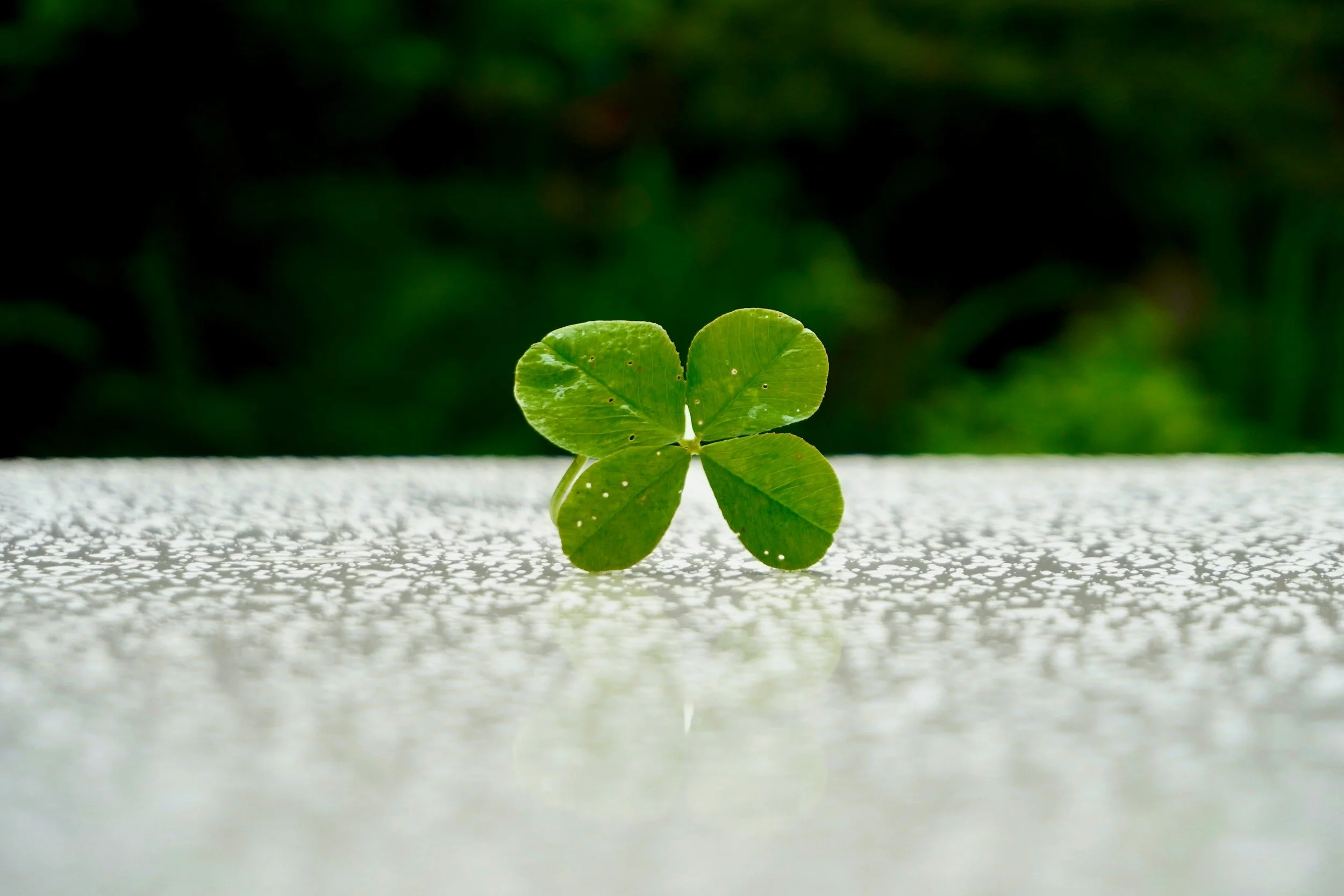
Read MoreWe often hear the phrase “Good luck!” tossed around before a big event, whether it’s a test, a job interview, or a first date, usually said with a hopeful smile. Most people think of luck as something random, a mysterious force that happens to favor some and overlook others. It feels like an external factor, completely out of our control. Because of this common perception, many wait passively for good fortune to come their way, believing that success is a matter of chance rather than choice.
Read MoreGratitude is a cornerstone of emotional well-being and personal growth. It takes intention to notice and appreciate the positive aspects of your life, even amidst challenges or setbacks. Without gratitude, it’s easy to focus on what’s missing, fostering dissatisfaction, comparison, or negativity. But when you practice gratitude, you shift your perspective to recognize abundance, strength, and opportunity in everyday moments. Gratitude enhances self-awareness by helping you notice the impact of your actions and the support of others, and it nurtures resilience by allowing you to find meaning even in difficult circumstances. It also deepens your relationships, as expressing appreciation strengthens connections and fosters mutual respect and kindness. Through consistent practice, gratitude cultivates a mindset of abundance, optimism, and empowerment, encouraging you to engage with life fully and intentionally.
Read MoreBeauty is one of those things that everyone talks about but no one can quite define. What’s considered beautiful in one culture or era might not even be noticed in another, and the standards we see today are constantly shifting. Social media, trends, and outside opinions often try to tell us what beauty should look like, but the truth is, it’s always been subjective. When we buy into rigid definitions, it’s easy to fall into the trap of comparing ourselves, feeling less than, or chasing after an ideal that was never meant to be universal. But when we remind ourselves that beauty is personal, flexible, and shaped by perspective, it becomes a lot easier to appreciate what makes us, and others, unique.
Read MoreBalance and calm, both mentally and physically, is a state of stability and harmony within yourself, where your thoughts, emotions, and body are aligned and in control. Achieving balance and calm requires a conscious effort to slow down, find inner peace, and develop coping strategies for stress—whether through mindfulness, exercise, or deep breathing. This state allows you to respond to life's demands with grace and composure, rather than reacting impulsively or with anxiety, fostering a sense of well-being and control.
Read MoreSelf-compassion is essential for fostering emotional resilience and overall well-being. It involves treating oneself with kindness and understanding during times of difficulty or failure, rather than with harsh criticism. This practice not only alleviates feelings of inadequacy and shame but also promotes a healthier self-image. By recognizing that suffering and imperfection are part of the shared human experience, individuals can cultivate a sense of connection and belonging. Moreover, self-compassion encourages a growth mindset, allowing people to learn from their mistakes and approach challenges with greater confidence. Ultimately, embracing self-compassion leads to improved mental health, enhanced emotional regulation, and a more positive outlook on life.
Read MoreSelf-validation is a crucial aspect of emotional well-being, as it allows individuals to acknowledge and accept their own feelings, thoughts, and experiences without relying on external approval. By practicing self-validation, we cultivate a deeper understanding of our thoughts and emotions, and affirm our right to feel them, which fosters resilience and self-compassion. This internal validation helps to build self-confidence and reduces the need for constant reassurance from others, empowering us to make choices that align with our personal values and desires. Moreover, self-validation encourages a healthier self-image, as it shifts the focus from seeking external affirmation to recognizing our intrinsic unconditional worth. Ultimately, embracing self-validation enhances our emotional intelligence, enabling us to navigate life's challenges with greater clarity and strength, and fostering healthier relationships both with ourselves and others.
Read More