Trust in Patience
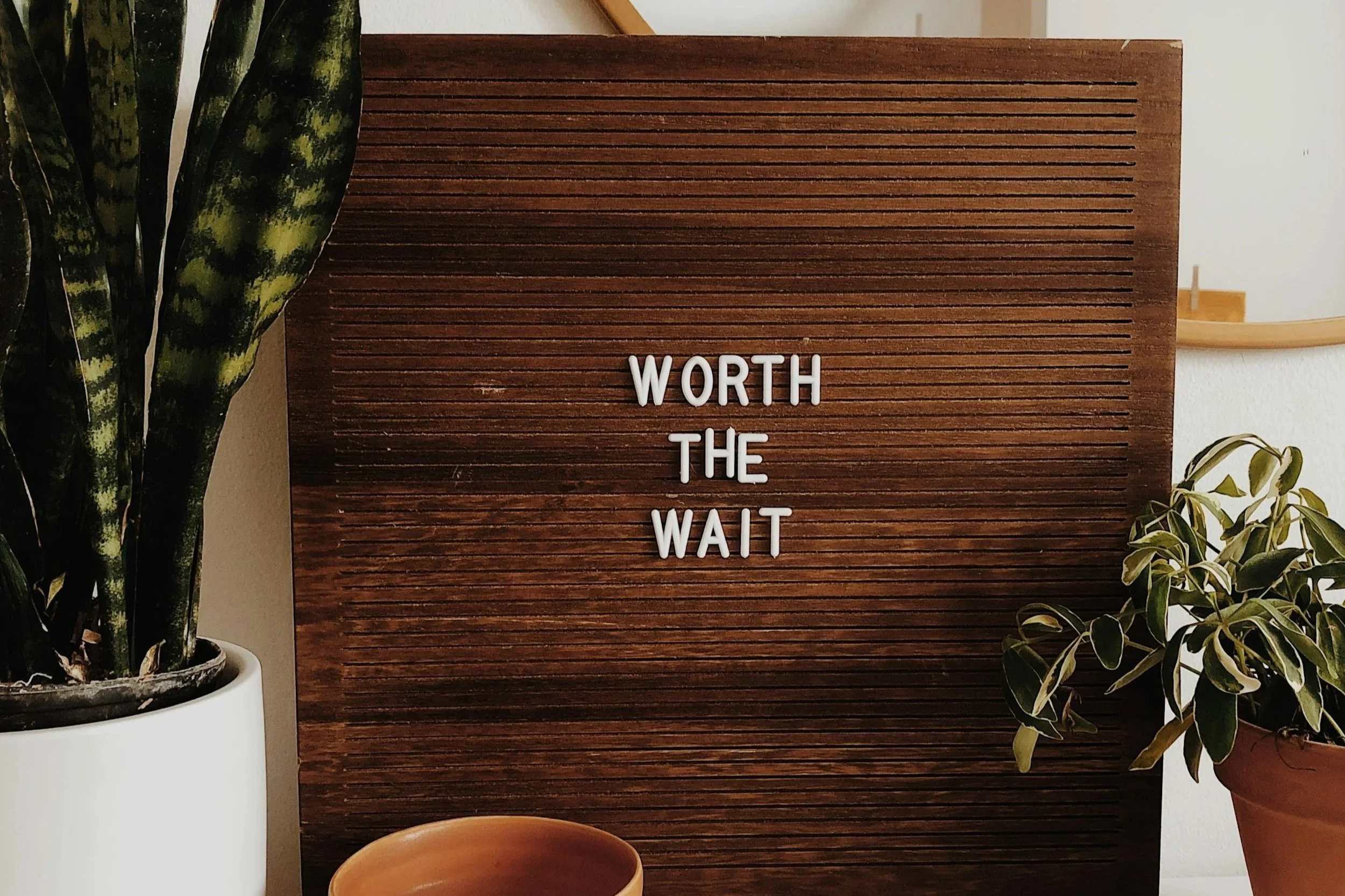
A growth mindset thrives on patience, because it allows you to embrace the learning process rather than rushing toward perfection or immediate results. When you give yourself time to grow, patience leads to deeper skills, greater rewards, and long-lasting success that a fixed mindset can never access.
Patience is the foundation of inner steadiness and meaningful growth. It takes intention to slow down, hold space for uncertainty, and trust the process, especially when doing so feels uncomfortable or goes against the urge to rush, react, or force outcomes. Without patience, it’s easy to fall into frustration, impulsive decisions, or self-criticism. But when you choose to be patient, you honor your rhythm, respect your limits, and give yourself room to evolve. Patience reinforces self-confidence by reminding you that progress doesn’t always need to be immediate and that you can move through challenges with calm persistence. It nurtures personal growth by allowing you to sit with discomfort, observe your emotions, and develop a deeper understanding of yourself. In practicing patience, you become more grounded, resilient, and capable of building a life aligned with intention rather than urgency.
Patience doesn’t mean passivity or the absence of desire; it means choosing to move forward with steadiness rather than haste. “Trust the timing of your life” is more than a comforting saying, it’s a mindset that opens the door to clarity, wisdom, and genuine fulfillment. When you approach challenges with patience, you create the space needed for ideas to form, skills to develop, and opportunities to unfold naturally. Whether you’re learning something new, healing from a setback, or working toward a long-term goal, patience allows you to stay consistent without becoming overwhelmed. It fosters curiosity, presence, and self-compassion, turning obstacles into lessons rather than sources of stress. Over time, these calm, deliberate steps build momentum and help you cultivate a deep sense of confidence—not just in what you can achieve, but in your ability to navigate life with grace and resilience.
Patience over Impulse
Here are the main benefits of cultivating patience, even when you feel the urge to rush, panic or react:
Builds self-confidence: Each time you pause, wait, and respond thoughtfully instead of impulsively, you prove to yourself that you can handle situations calmly. This reinforces trust in your own judgment and abilities, helping you feel more confident in future challenges.
Encourages personal growth: Patience allows you to step back, reflect, and learn from experiences rather than acting immediately. By giving yourself time, you develop deeper insight, improve decision-making, and gain a clearer understanding of yourself.
Reduces the control of frustration and anxiety over time: The more you practice waiting and responding with calm, the less power impatience and stress have over you. Situations that once felt overwhelming become manageable, and you feel less reactive in your daily life.
Opens up opportunities: Patience creates space for better choices and more thoughtful actions. Opportunities often arise when we allow things to unfold naturally, and patience helps you recognize and seize them.
Increases resilience: Waiting and pacing yourself strengthens your ability to endure setbacks and handle uncertainty. You become more adaptable, composed, and better equipped to navigate life’s challenges with grace.
Leads to greater fulfillment: Patience allows you to live more intentionally, making decisions that align with your values, nurturing meaningful relationships, and pursuing long-term goals. This leads to a more balanced, empowered, and satisfying life.
Negatives of Not Being Patient
1. Impulsive decisions that backfire
When you lack patience, it’s easy to act without fully considering the consequences. Rushed choices, whether in work, relationships, or finances, can lead to mistakes that might have been avoided with a moment of reflection. Impulsive actions often bring regret and unnecessary complications, leaving you wishing you had taken a step back to think things through and maybe choose another .
Examples: Making a major purchase on a whim, reacting angrily in an argument, or quitting a project before giving it a fair chance.
2. Increased stress and frustration
Impatience makes even small delays feel unbearable. Constantly pushing for immediate results can create a sense of pressure and tension in your life. Over time, this chronic stress can affect your mental and physical health, leaving you feeling exhausted, anxious, or overwhelmed.
Examples: Getting frustrated in traffic, rushing through tasks at work, or feeling annoyed when others don’t move as quickly as you want.
3. Strained relationships
When you’re impatient, it’s easy to irritate or upset the people around you. Lack of patience can cause misunderstandings, conflict, or resentment in friendships, family, and romantic relationships. Over time, this can weaken bonds and make it harder to maintain meaningful connections.
Examples: Interrupting someone repeatedly in conversation, criticizing loved ones for being slow, or losing your temper during disagreements.
4. Hindered personal growth
Patience allows space for reflection, learning, and skill development. Without it, you may give up too quickly or miss the chance to truly understand yourself and your experiences. This can limit your personal growth, leaving you stuck in the same patterns rather than evolving over time.
Examples: Quitting a hobby or course because progress is slow, abandoning long-term goals when results aren’t immediate, or avoiding challenges that require sustained effort.
5. Reduced resilience
Impatience can make setbacks feel overwhelming. When you’re unwilling to wait or persist through difficulty, challenges seem insurmountable, and recovery from failures takes longer. Developing resilience requires time, endurance, and the ability to stay calm in adversity.
Examples: Giving up after one failed attempt at a project, feeling defeated by minor setbacks, or becoming easily frustrated by life’s unpredictability.
6. Missed opportunities for growth and fulfillment
Some of life’s most rewarding experiences require time, effort, and patience. When you rush or push too hard, you may miss the moments that offer deep learning, connection, or satisfaction. Impatience can prevent you from fully appreciating the journey and the small wins along the way.
Examples: Walking away from a long-term career goal too soon, leaving a relationship before understanding it fully, or skipping steps in learning a new skill because you want instant results.
How to Grow Patience
Patience is more than a virtue, it’s a skill that allows you to navigate life’s challenges with calm, make thoughtful decisions, and build deeper relationships. Like any skill, it can be developed through intention, practice, and self-awareness. Cultivating patience helps you reduce stress, improve resilience, and create space for personal growth.
1. Self-Awareness
Recognise your triggers – Pay attention to situations that make you feel impatient, irritated, or frustrated. Understanding your triggers helps you anticipate moments when patience is required.
Reflect on your patterns – Notice when impatience leads to mistakes, misunderstandings, or regrets.
Pause and evaluate – Ask yourself if your reaction is helpful or if a calmer approach would serve you better.
Check your physical cues – Tension, restlessness, or rapid breathing can signal the need to slow down.
Review outcomes – After a situation, consider how patience or impatience affected the result and what you can learn for next time.
2. Emotional Regulation
Pause before reacting – Take a deep breath or step back when you feel irritation rising.
Identify your emotions – Label feelings like frustration, anxiety, or anger to reduce their intensity.
Reframe challenges – Look for the lesson or opportunity in delays or difficulties.
Use coping strategies – Journaling, mindfulness, or counting to ten can help you regain control.
Practice acceptance – Understand that discomfort and waiting are natural parts of growth and personal development.
3. Mindfulness
Focus on the present moment – Pay attention to what is happening now rather than worrying about the past or future.
Engage your senses – Notice what you can see, hear, feel, or smell to ground yourself in reality.
Observe without judgment – Accept situations as they are instead of labeling them “good” or “bad.”
Schedule mindful breaks – Take a few minutes each day to pause and reset your mind.
Practice mindful activities – Try walking, eating, or cleaning with full attention to strengthen your awareness and patience.
4. Delayed Gratification
Set long-term goals – Break bigger objectives into smaller, manageable steps to build steady progress.
Resist impulsive actions – Wait before responding, purchasing, or reacting emotionally to avoid regrets.
Reward progress intentionally – Celebrate small achievements to maintain motivation.
Visualize benefits – Focus on the long-term advantages of waiting rather than seeking immediate satisfaction.
Practice deliberate waiting – Use small opportunities to delay gratification daily, such as holding off on a snack or a social media check.
5. Resilience
Reframe setbacks – Treat failures or delays as lessons rather than permanent obstacles.
Maintain perseverance – Keep working toward your goals even when progress feels slow.
Adapt to change – Accept that life is unpredictable and staying flexible strengthens patience.
Focus on solutions – Look for actionable steps instead of dwelling on the problem.
Build mental endurance – Challenge yourself consistently with small difficulties to increase your ability to remain patient under pressure.
6. Empathy
Listen actively – Give others your full attention without interrupting or judging them.
Consider others’ perspectives – Understand that everyone has their own pace and challenges.
Respond with compassion – Avoid reacting with irritation or impatience.
Acknowledge struggles – Recognize when someone needs more time or support to succeed.
Practice patience in relationships – Allow people space to grow and move at their own speed without rushing them.
7. Self-Discipline
Create routines – Structured schedules reduce stress and help you avoid impulsive decisions.
Set boundaries – Avoid overcommitting or taking on too much at once.
Resist immediate impulses – Delay reactions to distractions, urges, or irritations to strengthen control.
Maintain focus – Prioritize important tasks instead of chasing instant gratification.
Build daily habits – Practice small acts of self-control consistently to reinforce patience over time.
8. Perspective-Taking
See the bigger picture – Recognize that delays and setbacks are temporary and often necessary for growth.
Compare short-term discomfort to long-term gain – Understand that waiting can produce better results than acting hastily.
Reframe obstacles – Treat challenges as learning opportunities instead of annoyances.
Consider alternative outcomes – Remember that impatience can close doors that patience might open.
Reflect on past successes – Recall times when patience led to positive outcomes to reinforce your mindset.
9. Stress Management
Use relaxation techniques – Deep breathing, meditation, or progressive muscle relaxation helps you stay calm.
Exercise regularly – Physical activity reduces stress hormones and improves emotional regulation.
Schedule downtime – Allow for rest and recovery to prevent burnout and impatience.
Engage in stress-relieving activities – Journaling, music, or creative outlets help release tension.
Maintain a healthy lifestyle – Adequate sleep, nutrition, and hydration support mental and emotional stability, enhancing patience.
10. Optimism
Focus on positive outcomes – Believe that situations will improve over time with effort and patience.
Visualize success – Imagine achieving your goals steadily and intentionally.
Celebrate small wins – Recognize incremental progress to maintain motivation and hope.
Reframe setbacks positively – Treat delays and obstacles as opportunities to grow rather than sources of frustration.
Affirm your ability to wait – Use supportive self-talk like, “I can handle this” or “Good things take time” to reinforce a patient mindset.
Here are 10 affirmations for patience and trust, each crafted to inspire calm, resilience, and faith in yourself and life’s timing:
“I breathe deeply and trust the timing of my life.” Patience begins when you let go of urgency and embrace the natural pace of things.
“I have the strength to wait and persevere.” You are capable of enduring challenges and allowing growth to unfold at its own pace.
“I trust myself to make wise decisions in time.” Self-trust is the foundation of patience. You’ve handled difficulties before—you can do it again.
“I speak and act with calm, even in uncertainty.” Patience allows clarity to guide your words and actions, even when outcomes are unknown.
“I act with intention, not haste.” You don’t need to rush or control everything—small, thoughtful steps build lasting results.
“I rise each time I feel frustrated, calmer and stronger.” Patience isn’t about never feeling impatience—it’s about returning to steadiness when you do.
“I follow the path that feels right, even if it takes time.” True patience often means trusting the process, not forcing an immediate outcome.
“I allow waiting and uncertainty to be part of my growth.” Patience grows in moments of stillness and reflection—they help you expand and learn.
“I honor my feelings but don’t let impatience control me.” Frustration or anxiety may arise, but it doesn’t have to dictate your actions.
“I was born to grow, trust, and thrive in my own time.” Patience and trust are your birthright. Embrace them with each mindful breath you take.
Patience isn’t the absence of frustration, it’s the choice to stay steady in the midst of it. It lives in the quiet moments when you pause instead of rush, breathe instead of react, and allow things to unfold instead of forcing them. Learning patience means acknowledging your discomfort without letting it control your actions. At its core, the basis of patience is learning to trust—trusting yourself, trusting the process, and trusting that things can unfold in their own time. It’s about believing that growth happens not only in movement, but in waiting.
Patience is also about savoring the journey, finding value in the learning, the small steps, and the unfolding experiences rather than fixating solely on the final result. It teaches you to appreciate the moments that shape you, not just the outcome you’re working toward. Patience deepens every time you choose calm over urgency, when you return to your center after feeling overwhelmed, and when you give yourself or others the space needed to grow. With each patient moment, no matter how small, you build resilience, clarity, and inner strength. Patience isn’t something you’re born with—it’s something you cultivate by slowing down, showing up, and trusting the journey again and again.