Healthy Choices
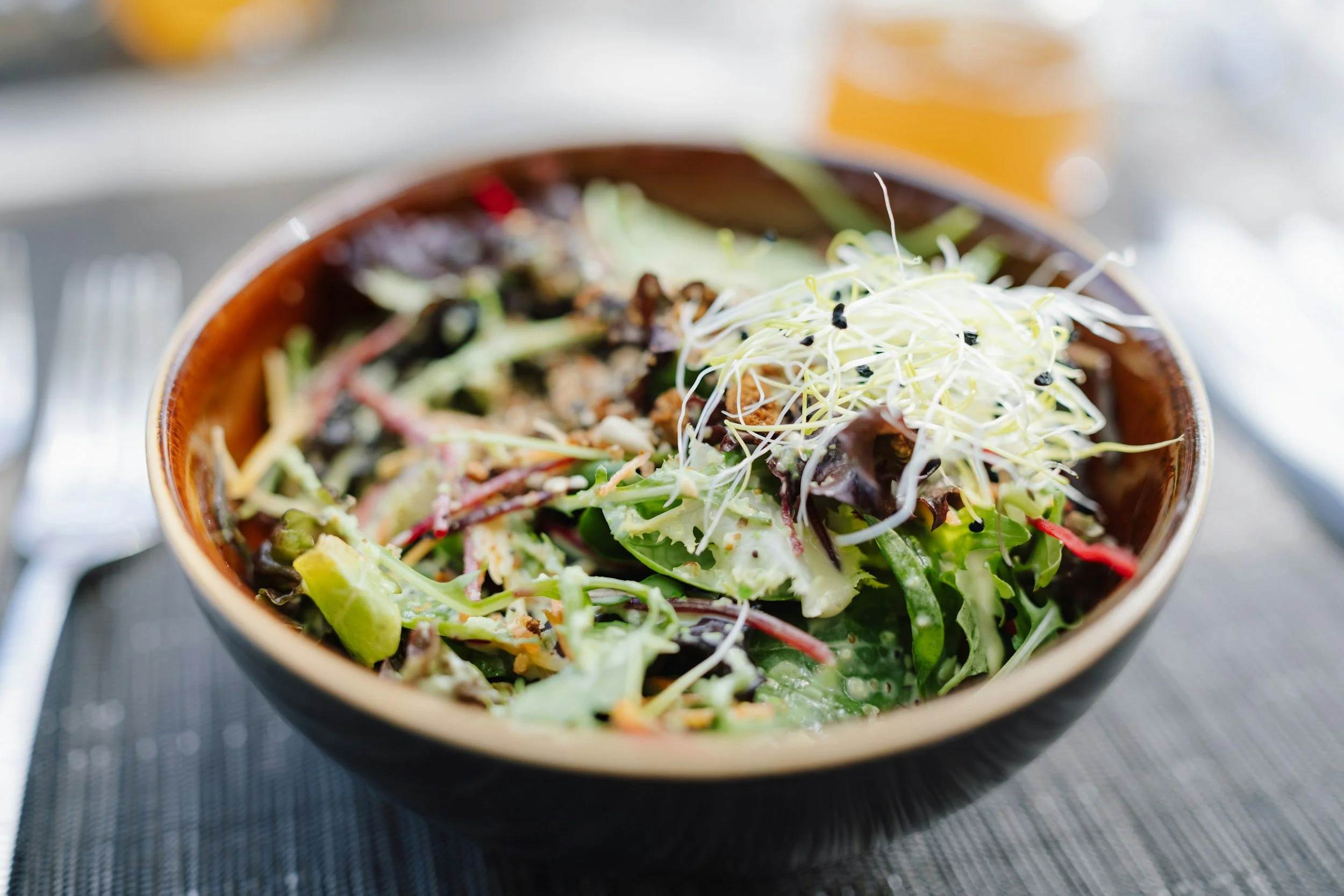
Making intentional choices for your physical and mental health is key to a balanced and fulfilling life. Prioritising your body through regular exercise, nutritious food, and sufficient rest builds energy, resilience, and long-term wellness. Equally important is caring for your mind: managing stress, practising mindfulness, developing emotional awareness, and engaging in activities that stimulate learning and creativity.
Healthy living also involves developing practical skills that support your overall well-being. This can include planning balanced meals, creating consistent exercise routines, setting boundaries, building strong social connections, and managing time effectively. These skills help you navigate life’s challenges while maintaining balance and focus.
By making consistent, mindful choices, you create habits that strengthen both body and mind. You enhance your energy, mental clarity, and emotional stability, while also fostering a sense of self-efficacy and confidence in your ability to take care of yourself. Over time, these choices compound, leading to a lifestyle that promotes long-term health, personal growth, and a greater sense of fulfilment.
Prioritising Wellbeing
Here are the main benefits of making healthy choices, even when it feels difficult, challenging, boring or where temptation lies elsewhere:
Builds self-confidence: Each time you choose a healthy habit, whether it’s exercising, eating well, or prioritising rest, you prove to yourself that you are capable of taking care of your body and mind. This reinforces trust in your own abilities and makes it easier to maintain positive habits in the future.
Encourages personal growth: Choosing health often pushes you outside your comfort zone, trying new foods, starting a fitness routine, or adopting mindfulness practices. By embracing these changes, you develop new skills, broaden your experiences, and gain a deeper understanding of what supports your well-being.
Reduces the power of unhealthy habits over time: The more you consistently make healthy choices, the less control unhealthy patterns have over your life. Habits that once seemed hard to break become manageable, and your decisions increasingly reflect your priorities for health and wellness.
Opens up opportunities: Making health-focused choices can improve energy, focus, and mood, creating more opportunities in daily life, whether in work, relationships, or personal growth. A healthy lifestyle supports you in reaching your goals and enjoying new experiences.
Increases resilience: Consistently caring for your body and mind strengthens your ability to cope with stress, setbacks, and challenges. You become more adaptable and better equipped to handle life’s ups and downs with confidence.
Leads to greater fulfilment: Prioritising your health allows you to live more fully and authentically, pursuing activities, relationships, and goals that matter to you. Over time, this creates a more empowered, balanced, and satisfying life.
HealthY Choices Matter
Making healthy choices is not just a good habit, it’s an essential life skill that empowers you to live fully, boost your well-being, and protect what matters most. When unhealthy habits go unchallenged, they can quietly limit your energy, personal growth, and overall quality of life.
1. Missed opportunities for vitality and connection
Avoiding healthy choices can prevent you from fully enjoying life and connecting with others. Skipping physical activity, neglecting nutrition, or ignoring mental health can reduce your energy, mood, and motivation. Over time, this can make it harder to engage in activities that bring joy—like social events, hobbies, or adventures—leading to feelings of isolation, low energy, or dissatisfaction. Prioritising health allows you to fully participate in life and enjoy meaningful connections.
Examples: skipping a family hike because you feel too out of shape, avoiding social gatherings due to low energy or poor sleep habits.
2. Lack of preparedness for health emergencies
Making healthy choices isn’t only about daily habits—it also prepares you for unexpected situations. Poor nutrition, inactivity, or neglecting medical check-ups can leave you less able to respond to emergencies, whether it’s a sudden illness, injury, or stress-related situation. Maintaining your health equips you with the strength, stamina, and clarity needed to act effectively in critical moments.
Examples: avoiding exercise and then struggling to help someone in a minor accident, or neglecting regular check-ups that could prevent serious health issues.
3. Inability to protect your well-being or that of others
Neglecting your health can make you more vulnerable physically, mentally, and emotionally. Without healthy habits, it’s harder to manage stress, set boundaries, or care for loved ones. Building strong routines for nutrition, exercise, and mental wellness increases your ability to protect yourself and support others when it matters most.
Examples: being too tired or unwell to assist a family member in need, or ignoring mental health until it affects your relationships.
4. Stagnation and lack of personal growth
Avoiding healthy choices can limit your growth in many areas of life. Poor habits can leave you feeling stuck, unmotivated, or unable to take on new challenges. Developing consistent wellness routines, trying new activities, or improving your skills helps you grow physically, mentally, and emotionally, creating a more vibrant and fulfilling life.
Examples: not joining a fitness class or healthy cooking course because it feels uncomfortable, missing opportunities to improve your lifestyle.
5. Limiting your potential and overall fulfilment
Prioritising health is essential for living a full, empowered life. Ignoring self-care or healthy habits can reduce your confidence, energy, and ability to pursue goals. Over time, this can erode your sense of purpose and satisfaction. Embracing healthy choices, small or large, supports your long-term potential, resilience, and sense of well-being.
Examples: avoiding challenging workouts or trying new nutritious foods for fear of discomfort, missing out on life’s opportunities because of low energy or poor health.
how to grow HEALTHY HABITS
Main personal skills needed to make healthy choices:
1. Self-Belief
Remind yourself of past successes – Reflect on moments when you made a positive health choice, like sticking to a workout routine or choosing a nutritious meal. Use these experiences as proof that you can make healthy decisions.
Set small, achievable goals – Start with manageable steps, like a 10-minute walk or adding an extra portion of vegetables. Each success reinforces your confidence in your ability to maintain healthy habits.
Talk to yourself positively – Replace self-doubt with affirming thoughts like, “I can do this,” or “Small steps matter.” Positive self-talk strengthens your motivation to stay consistent.
Visualise your success – Imagine yourself completing a workout, enjoying a healthy meal, or feeling energetic and strong. Visualization reinforces your belief in your ability to follow through and makes healthy choices feel more attainable.
2. Discipline
Create routines – Consistent meal times, sleep schedules, and exercise plans help your body and mind thrive.
Stick to commitments – Following through on your health intentions builds reliability and reinforces your ability to make choices that benefit you long-term.
Set realistic expectations – Avoid overloading yourself with too many changes at once. Focus on a few key habits and build gradually to make discipline sustainable.
Track your progress – Keep a journal, app, or checklist of your healthy habits. Monitoring your progress reinforces consistency and helps you stay accountable to yourself.
3. Awareness
Track your habits – Notice patterns in your diet, activity, sleep, and stress. Awareness helps you identify areas for improvement.
Listen to your body – Pay attention to hunger cues, fatigue, or stress signals. Awareness allows you to respond appropriately instead of ignoring needs.
Notice emotional triggers – Be aware of situations or feelings that lead to unhealthy choices, such as stress eating or skipping exercise. Recognising triggers helps you respond more mindfully.
Reflect regularly – Take time each week to review your habits, progress, and challenges. Reflection strengthens insight and helps you make adjustments that support long-term health.
4. Patience
Understand that results take time – Healthy changes rarely happen overnight. Celebrate small wins along the way.
Avoid quick fixes – Recognise that sustainable habits are more important than instant results. Patience keeps you committed without frustration.
Focus on progress, not perfection – Accept that setbacks are part of the journey. Small, consistent improvements matter more than flawless execution.
Give your body and mind time to adapt – Allow yourself to gradually adjust to new routines, foods, or exercises. Long-term health benefits come from steady, patient effort.
5. Planning
Prepare meals and snacks – Planning ahead prevents impulsive, less healthy choices.
Schedule workouts – Treat exercise like any other important appointment to ensure consistency.
Set realistic weekly goals – Outline achievable targets for nutrition, activity, and rest each week. Having a clear plan increases the likelihood of success.
Anticipate obstacles – Identify potential challenges, such as busy days or social events, and plan strategies to stay on track with healthy choices.
6. Adaptability
Adjust to challenges – Life is unpredictable, and your routine may need tweaking. Flexibility ensures you stay on track even during setbacks.
Try new strategies – If one approach isn’t working, experiment with alternatives to find what suits your lifestyle best.
Embrace change positively – View adjustments to your health routine as opportunities to learn and grow, rather than obstacles or failures.
Stay open to feedback – Listen to advice from health professionals, coaches, or trusted peers, and incorporate useful suggestions to improve your habits.
7. Knowledge
Learn about nutrition, fitness, and mental health – Understanding the benefits of healthy choices motivates better decision-making.
Seek credible advice – Use trustworthy resources to guide your habits and avoid misinformation.
Stay informed about updates – Health science evolves, so keeping up with reliable new information helps you make the best choices for your well-being.
Understand your personal needs – Learn how your age, lifestyle and unique body responds to different foods, exercises, and routines. Tailoring your approach increases effectiveness and sustainability.
8. Resilience
Bounce back from slip-ups – Missing a workout or eating an unhealthy meal isn’t failure; it’s an opportunity to refocus.
Keep going despite obstacles – Life will have interruptions, but resilience ensures you maintain momentum toward health goals.
Learn from challenges – Reflect on what led to setbacks and identify strategies to prevent them in the future. Every challenge is a chance to strengthen your habits.
Maintain a long-term perspective – Focus on your overall health journey rather than short-term difficulties. Resilience grows when you prioritise consistent progress over perfection.
9. Mindfulness
Be present with your choices – Notice how foods, activities, and routines make you feel physically and mentally.
Make conscious decisions – Mindful eating, movement, and rest improve satisfaction and adherence to healthy habits.
Observe without judgment – Notice cravings, fatigue, or stress without labelling them as “good” or “bad.” Awareness without judgment helps you respond thoughtfully rather than react impulsively.
Check in regularly – Pause throughout the day to assess your energy, mood, and focus. Regular check-ins help you adjust habits and maintain balance.
10. Self-Compassion
Be kind to yourself – Avoid harsh self-criticism when you falter. Treat setbacks as part of the journey.
Celebrate effort, not perfection – Recognise and reward your dedication to healthy habits, even when results are gradual.
Practice forgiving yourself – When you slip up, acknowledge it without guilt and refocus on your next healthy choice.
Encourage yourself like a friend – Speak to yourself with the same support and understanding you would offer someone you care about, reinforcing positive behaviour and motivation.
Here are 10 affirmations for healthy living, each crafted to inspire strength, consistency, and self-trust in making positive choices for your body and mind.
“I choose actions that support my body and mind.”
Every healthy choice, no matter how small, moves me closer to wellbeing.“I have the strength to care for myself.”
I am capable of nourishing my body, staying active, and prioritising rest.“I trust myself to make good decisions for my health.”
I’ve succeeded before, and I can do it again.“I listen to my body and honor its needs.”
Paying attention to hunger, fatigue, and emotions helps me make mindful choices.“I act consistently, not perfectly.”
Healthy living is a journey—progress matters more than perfection.“I get back on track after setbacks, stronger than before.”
Slip-ups don’t define me; they teach me how to improve.“I follow habits that feel right for my body and mind.”
I choose routines that serve my wellbeing, even when they are challenging.“I embrace discomfort as part of growth.”
Trying new foods, workouts, or routines stretches me toward better health.“I acknowledge obstacles but don’t let them stop me.”
Challenges may appear, but they don’t control my choices.“I deserve to be healthy, energetic, and balanced.”
Taking care of myself is my right and my responsibility.
Healthy choices aren’t always easy, they’re the decision to take action for your body and mind, even when it feels challenging. They show up in the quiet moments when you choose to move, eat well, or prioritise rest, even if it’s inconvenient or uncomfortable. Making health-focused decisions means acknowledging obstacles without letting them control your habits. It’s about trusting that your body and mind can adapt, and believing that long-term wellbeing comes from consistent effort, even when progress feels slow. Your commitment to healthy living grows each time you take a step toward better habits, when you get back on track after a slip, try a new routine after a setback, or choose nourishing foods over convenience. With every mindful choice, no matter how small, you build energy, resilience, and confidence. Healthy living isn’t something you’re born with, it’s cultivated by showing up for yourself, again and again.