Nature Nurture
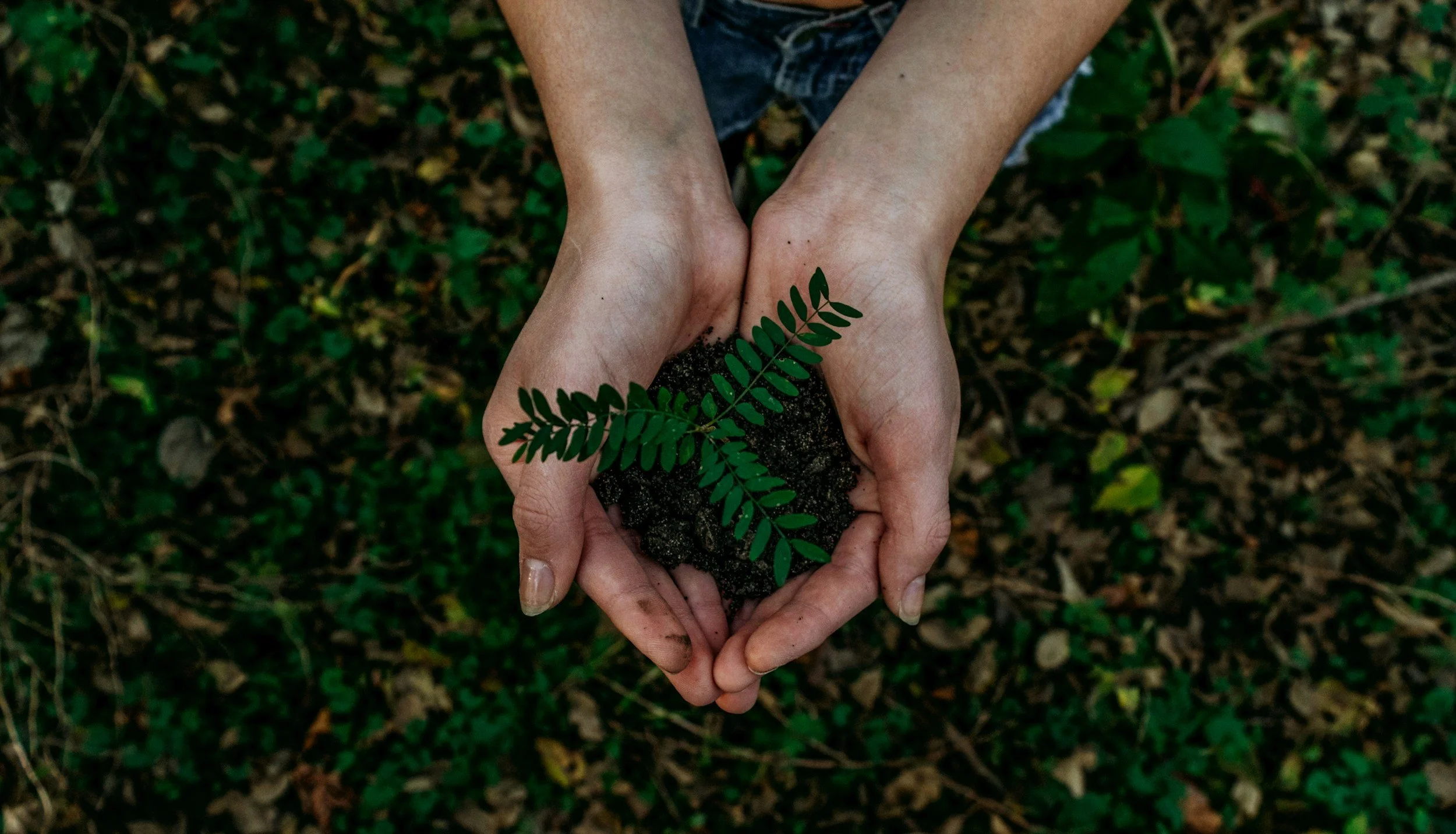
When your mental and physical health are in a good place, it naturally becomes easier to be assertive. When your mind feels calm and steady, you think more clearly, communicate more confidently, and don’t get overwhelmed as easily. Looking after your physical health, through movement, sleep, and fresh air, gives you more energy, stability, and resilience, which makes it easier to stand your ground and express your needs. When you feel balanced both mentally and physically, you’re less likely to second-guess yourself and more able to speak up, set boundaries, and make decisions that genuinely support your wellbeing.
Nature is one of the simplest and strongest ways to look after your mental, emotional, and physical wellbeing. Just being outside helps you slow down, breathe properly, and feel more like yourself again. A bit of fresh air, some sunlight on your skin, or a gentle walk can make a real difference. These small moments help ease stress, lift your mood, and clear that heavy mental fog that builds up during busy days. Without time outdoors, it’s easy to feel overwhelmed, drained, or stuck in your own head. But when you choose to step into nature, you give yourself the space and calm you genuinely need. Natural surroundings settle the nervous system, support better mental health, and help you feel more balanced. And moving your body outdoors, whether it’s a slow stroll or something more energetic, boosts your focus, improves circulation, and naturally lifts your spirits. With regular time outside, you start to feel more grounded, centred, and able to handle life with more confidence and clarity, including being more assertive when you need to be.
The healing you get from nature doesn’t need to be perfect or planned; it just needs a bit of openness. “Let yourself be held by the earth” might sound poetic, but it simply means giving yourself permission to pause and feel supported by your surroundings. When you let nature work its magic, you open the door to emotional release, clearer thinking, and physical ease. Whether you’re going for a walk on a trail, sitting quietly by some water, grounding your feet in the grass, or practising gentle movement outdoors, nature helps untangle stress and encourages a healthier flow of energy. It sparks curiosity, helps you soften tension, and reminds you to trust your own pace. Over time, these small choices build into a steady sense of inner peace and strength. You become calmer, more intuitive, and more in tune with yourself—not just in nature, but in everyday life, including how you speak up, set boundaries, and look after your wellbeing.
Nature’s healing power
Here are the main benefits of spending time in nature when life feels overwhelming:
Space to think
– Stepping into nature gives you a break from the constant stimulation of daily life. With fewer distractions, your mind naturally opens, allowing clarity and fresh perspectives to surface. This quiet mental space helps you process emotions, make decisions, and reconnect with your inner voice.Deep stress relief
– Natural environments soothe the nervous system and help release built-up tension. The sights, sounds, and rhythms of nature signal your body to relax and return to balance. Over time, spending even small moments outdoors can significantly reduce anxiety and emotional overload.Peace and quiet
– Being in nature encourages you to slow down and embrace stillness. Away from noise and pressure, you can breathe more deeply and settle into a calmer state of mind. This quiet presence creates room for reflection, healing, and inner peace.Fresh air
– Breathing in clean, fresh air revitalizes your body at a cellular level. It increases oxygen flow, which sharpens mental focus and improves mood. Fresh air also helps reduce fatigue and enhances your overall sense of well-being.Re-energize the body and mind
– Nature acts as a natural reset button, replenishing your physical and emotional energy. When you step outside, tension softens and your mood begins to lift. This renewed energy makes it easier to return to daily life feeling balanced and refreshed.Natural Vitamin D
– Sunlight boosts your levels of Vitamin D, which supports immunity, bone health, and emotional stability. Even short periods of sun exposure can elevate your mood and help regulate sleep patterns. This gentle, natural nourishment contributes to long-term wellness.Enjoyment and play
– Nature invites you to move, explore, and rediscover simple joy. Whether it’s wandering a trail or playing by the water, these moments encourage lightheartedness. Allowing yourself to have fun outdoors strengthens your spirit and enhances your overall happiness.Spark creativity
– Natural landscapes stimulate the imagination with their colors, textures, and movement. Time in nature helps break mental blocks and inspires new ideas or perspectives. Whether you're solving a problem or seeking artistic inspiration, nature fuels creative flow.Healthy movement
– Walking, hiking, or engaging in gentle outdoor exercise strengthens your body while calming your mind. Moving in nature feels more enjoyable and less pressured than indoor workouts. This combination of activity and fresh air boosts stamina, mood, and overall health.
Nature’s missed gems
Nature is not just a backdrop, it’s true life, it’s a powerful source of healing that supports you in living more fully, finding balance, and navigating life’s challenges. When you disconnect from nature, stress and overwhelm can build quietly, limiting your energy, clarity, and overall well-being. Reconnecting with the natural world restores harmony, strengthens your resilience, and nurtures what matters most: your mind, body, and spirit.
1. Missed opportunities for joy and connection
When you don’t spend time in nature, you miss out on the simple joy of being outdoors, sunlight, fresh air, open spaces, and shared experiences with others. Avoiding nature means passing up moments of connection, like family walks, outdoor gatherings, or peaceful time with loved ones in beautiful places. Over time, these missed moments can leave you feeling disconnected, isolated, or stuck in routine instead of nourished by the world around you.
Examples: saying no to a beach day with friends or skipping a family picnic at the park.
2. Increased stress and mental fatigue
Without time in nature, stress and anxiety can build up without relief. Indoor environments, screens, and constant stimulation put pressure on your mind, making it harder to unwind and reset. Missing nature’s calming influence can lead to burnout, overwhelm, and a constant feeling of tension and anxious restlessness that never fully goes away.
Examples: feeling mentally drained after long workweeks because you never step outside to decompress.
3. Reduced creativity and inspiration
Nature naturally boosts creativity by giving your mind space to breathe. When you neglect time outdoors, you limit opportunities for fresh ideas, problem-solving, and mental clarity. This can make you feel stuck, uninspired, or disconnected from your passions.
Examples: struggling with creative blocks because you haven’t taken a walk outside in days.
4. Lower physical energy and vitality
Avoiding nature often means missing out on movement, sunlight, and fresh air, all essential for physical health. Without these natural boosts, your energy levels can drop, your mood may dip, and your body may feel sluggish or tense. Over time, this lack of natural stimulation can impact sleep, immunity, and overall vitality.
Examples: feeling tired all day because you rarely get natural sunlight or outdoor activity.
5. Feeling disconnected from yourself and the world
Nature helps you slow down, reflect, and reconnect with your inner self. When you ignore it, you may feel ungrounded, overstimulated, or emotionally distant. Missing these grounding moments can lead to feeling lost, restless, or disconnected from your purpose, and from the world around you.
Examples: feeling stuck or overwhelmed because you haven’t taken time to sit outside, breathe, and reset.
THINGS TO DO
Ways to enjoy the outdoors
1. All seasons have fun activities
Take advantage of what each season offers, all seasons have positives and negatives
Try seasonal challenges – Set small outdoor goals, like building a snow fort, spotting spring blooms, or hiking in autumn woods. Each activity brings excitement and helps you appreciate the natural rhythm of the year.
Celebrate the changing seasons – Use the shifts in weather as a reminder to slow down, notice your surroundings, and enjoy simple outdoor pleasures.
Spring – enjoy blooming flowers and fresh walks
This is the perfect season for getting everyone outside to enjoy nature waking up again. Families can go for gentle walks to spot blossoming trees, baby animals, and bright spring flowers. Kids love mini scavenger hunts, finding petals, feathers, or different shades of green. You can visit local gardens, feed ducks at the park, or take family bike rides on mild days. It’s also a lovely time for group picnics, outdoor playdates, or simply enjoying a warm patch of sunshine together. Wrap up warm on those days with spring showers!Summer – swimming, camping, exploring, or having picnics
This season offers endless opportunities for fun with family and friends. You can go swimming at beaches, lakes, or outdoor pools, or plan a camping trip where kids can roast marshmallows, tell stories, and explore safely. Group picnics are a summertime favourite, bring games like rounders, frisbee, or water balloons to keep everyone entertained. You can also enjoy coastal walks, bike rides, festivals, BBQs, garden play, and exploring new parks together. Long sunny days make it easy to stay active, social, and adventurous. Spend the brighter evenings out in the garden socialising and relaxing.Autumn – collect colourful leaves and get creative
Autumn brings beautiful colours, making it a fantastic season for creative outdoor fun. Go on family walks to collect leaves, pinecones, and acorns, then come home and make crafts like leaf collages, nature crowns, or autumn decorations. Kids love puddle-jumping after rain and watching squirrels gather acorns. Families can visit pumpkin patches, explore local woodlands, or enjoy cosy group outings with warm drinks and blankets. Group get togethers around a fire can be fun. Bring sweet or savory smores or keep warm with hot food! It’s the perfect season for simple, mindful activities that bring everyone together. Keep cosy with jumpers, hats, gloves and scarves!Winter – enjoy winter sports, snowplay, or embrace crisp outdoor air
This season can be chilly, but it’s full of opportunities for family and group fun. If it snows, you can build snowmen, have snowball fights, make snow angels, or go sledging as a family. On clearer days, wrap up warm and head out for frosty walks, spotting winter wildlife or sparkly ice patterns. Kids enjoy feeding birds (or making bird feeders), collecting winter treasures like pine branches, or helping decorate the garden with bird feeders. For group fun, try ice skating, Christmas markets, or festive light trails. Even a simple walk in crisp winter air can boost everyone’s mood and help burn off indoor energy.
2. Fun with friends, connection with family and children
Plan outdoor activities together – Walks, games, or picnics are perfect for sharing laughter and building memories. Camp fires can be fun too!
Include everyone – Let children, friends, or family help choose the activity or explore freely. Shared decision-making strengthens bonds and makes outdoor time more meaningful.
Use nature to connect – Take moments to talk, laugh, and play outside. These interactions boost mental health and reinforce feelings of belonging.
3. Being creative with leaves, sticks, and flowers
Use natural materials for art – Create leaf collages, flower crowns, or stick sculptures with items found outdoors.
Bring creativity inside – Display your natural creations around the home, like nature-made nicknacks or flower arrangements, to keep the outdoors close.
Experiment and play – Let yourself improvise and explore different textures and colors. Creativity in nature nurtures curiosity, mindfulness, and joy.
Use you time outdoors to boost your creative ideas in other areas in your life.
4. Meditate and mental health
Pause in nature to reflect – Sit quietly in a park, forest, or garden to slow down and release stress.
Focus on your breath and surroundings – Deep breaths, listening to birds, or feeling the breeze can calm anxiety and improve clarity.
Use mindful moments regularly – Even short sessions outside support mental well-being and help you return to daily life feeling centered and relaxed.
5. Dirt helps with immunity, relax, and join in the fun
Get hands in the soil – Gardening, digging, or planting exposes you to beneficial microbes that support immune health.
Play and explore – Let yourself or children dig, build, or get messy outside, it’s fun and restorative.
Combine movement with touch – Working with dirt strengthens coordination, mindfulness, and connection to the earth.
Let your children (or yourself!) explore nature, find bugs and other things to actively learn more about how the natural world works as a cyclic flow.
6. Grow your own food
Plant vegetables, herbs, or fruits – Even a small balcony garden can provide fresh, nutritious food. Home grown food is usually tasier, fresher and has less pesticides.
Involve the family – Growing together teaches patience, responsibility, and teamwork. Learn about how food is grown, whats involved.
Enjoy the results – Harvesting and cooking your own produce increases appreciation for food and encourages healthy habits.
7. CONNECT with the earth
Practice barefoot walks – Feel the grass, soil, or sand beneath your feet to reconnect and ground with the earth.
Time it after rain or dew – Moist, fresh earth enhances the sensory experience and helps you feel revitalised. After rain or lighning storms, the air is filled with negative ions. These are considered beneficial for health, as they may improve mood, respiratory function, and immune response. They cleasnse the air.
Make it a daily habit – Even short barefoot moments outdoors or breakfast in the garden, can improve or set your mood for the day, bring focus, and a sense of stability without too much thought or effort.
8. Explore, discover, learn, and be brave on a hike
Try new paths – Venture onto unfamiliar trails or nature areas to challenge yourself safely. You never know what surprises you might find.
Observe and discover – Notice plants, insects, or landscapes as a way to learn and stay present. Be curious and learn about nature.
Celebrate small adventures – Each step outdoors builds curiosity, courage, and confidence in your own abilities.
Learn survival skills – fire lighting, den building, nature’s kitchen, outdoor cooking or following a map. Discover the stars and how they move through the year. Learn how to navigate without a map or compass.
9. Grow your physical health and strength
Incorporate active outdoor movement – Walking, running, climbing, or gardening improves stamina, flexibility and muscle strength.
Combine play with exercise – Games, sports, tag, or obstacle courses outdoors make fitness fun and sustainable.
Make it regular – Frequent outdoor activity supports long-term physical health, boosts energy, and strengthens your immune system. Make new habits.
Find a group or make friends who may do outdoor activities: Running, climbing, hiking, boot camp, canoeing, cold water swimming, tai chi or dog walking.
Here are 10 affirmations inspired by nature, each created to support your healing, grounding, and sense of inner balance:
1. “I allow nature to help me relax and clear my mind.”
Just being outside helps me slow down and breathe easier.
2. “I get energy and strength from spending time outdoors.”
Fresh air and movement give me a natural boost that I really feel.
3. “I trust that nature helps me feel balanced again.”
Whenever I step outside, I feel myself settling and coming back to center.
4. “I pay attention to and appreciate the little things in nature.”
The trees, the breeze, the sounds, they remind me to stay present.
5. “I let myself rest, recharge and restore when I’m outdoors.”
I don’t have to do anything special, just being in nature helps me reset.
6. “I allow nature to help me feel grounded and steady.”
Time outside builds my resilience and helps me handle life better.
7. “I let nature clear my head when things feel confusing.”
A walk or a moment outdoors always helps me find clarity again.
8. “I allow nature ease my stress.”
Fresh air and quiet moments help release tension and lift my mood.
9. “I remind myself that I need sunlight, fresh air, and movement.”
These simple things make a big difference in how I feel every day.
10. “I feel supported and free when I’m in nature.”
Being outside helps me reconnect with myself and feel more alive.
Celebrities who promote natures healing benefits
Chris Hemsworth often talks about his love of the outdoors — from surfing and hiking to simply spending time in nature. He emphasises that getting outside and combining physical activity with nature helps calm the mind and supports holistic wellness, not just fitness.
Reese Witherspoon is open about how walking and spending time outdoors helps her mentally and physically. She values low-pressure outdoor activity — like gentle walks or hikes — as a way to clear her head, reduce stress, and stay connected with family or friends.
Ellie Goulding often uses walking, yoga, and gentle outdoor activities to manage stress and protect her mental wellbeing — especially when life gets hectic. She encourages others to try walking in nature as a simple, regular way to stay grounded and emotionally balanced.
Julie Walters has spoken publicly about how spending quality time in nature helps with mental health — urging people to reconnect with green spaces to reduce stress and improve emotional wellbeing. Her support highlights how nature can be a gentle but powerful antidote to anxiety and mental strain.
Benedict Cumberbatch has described hiking and countryside walks as grounding and restorative—an antidote to the pressures of his professional life. For him, time in nature isn’t just leisure — it’s a way to reconnect with inner calm, recharge emotionally, and balance a busy schedule.
Kate Hudson is known for using hiking as a way to stay fit and grounded — often recounting shared hikes with family or friends as memorable, energising experiences.
For her, walking trails and being surrounded by natural scenery support both physical health and mental clarity, especially when shared with loved ones.
Top UK Nature Spots for Health & Wellbeing
Peak District National Park (Derbyshire, Midlands)
Rolling hills, valleys, moorlands, and woodlands.
Ideal for hiking, cycling, and gentle walks.
Great for clearing your head, grounding yourself, and reconnecting with nature.
Snowdonia National Park (Wales)
Dramatic mountains, lakes, and forests.
Perfect for hiking, climbing, and exploring scenic trails.
Helps reset mentally, reduce stress, and feel a sense of achievement.
Cotswold Way (South West England)
Gentle hills, charming villages, and historic footpaths.
Suitable for relaxed walks, cycling, and countryside strolls.
Supports mental clarity and a calm, restorative experience.
Hampstead Heath (London)
Woods, ponds, hills, and open spaces within a city setting.
Great for quick escapes, walking, or mindful outdoor time.
Provides stress relief and mental reset without travelling far.
New Forest (Southern England)
Ancient woodlands, heathlands, and open spaces with roaming ponies.
Ideal for walking, cycling, wildlife spotting, and quiet reflection.
Supports both physical activity and mental wellbeing.
Lake District National Park (Cumbria)
Lakes, mountains, and forests for all levels of activity.
Hiking, boating, and scenic walks are energising and grounding.
Encourages mental relaxation and strengthens physical fitness.
Scottish Highlands (Scotland)
Vast landscapes, lochs, mountains, and glens.
Perfect for hiking, wildlife watching, and immersive outdoor experiences.
Offers deep mental restoration and physical challenge.
Brecon Beacons National Park (Wales)
Rolling hills, waterfalls, caves, and forests.
Great for walking, caving, and gentle adventures.
Supports stress relief, mindfulness, and physical fitness.
Norfolk Broads (East of England)
Rivers, lakes, and reedbeds with peaceful scenery.
Ideal for boating, walking, and birdwatching.
Provides calming outdoor experiences for mental health.
South Downs National Park (Southern England)
Chalk hills, meadows, and coastal views.
Walking, cycling, and gentle hikes along scenic trails.
Encourages mental balance, grounding, and physical activity.
summary
Healing in nature isn’t just about escaping, it’s about reconnecting to the life and energy around you. It’s found in the quiet moments when you take a walk in the forest, breathe fresh air, or move your body under the sun. Spending time outdoors helps you release stress, clear your mind, and strengthen both body and spirit. Nature also brings people together, sharing hikes, picnics, or games outdoors with family and friends creates joy, laughter, and lasting connection. Each step on a trail, each stretch in the grass, and each playful moment in the sun builds resilience, clarity, and physical strength. Just as the natural world thrives through cycles of challenge and renewal, you too grow stronger, happier, and more grounded when you immerse yourself in it. Nature’s energy isn’t something you’re born with, it’s something you access by showing up, moving, laughing, and enjoying life with those you love.