Tai Chi for Mind & Body
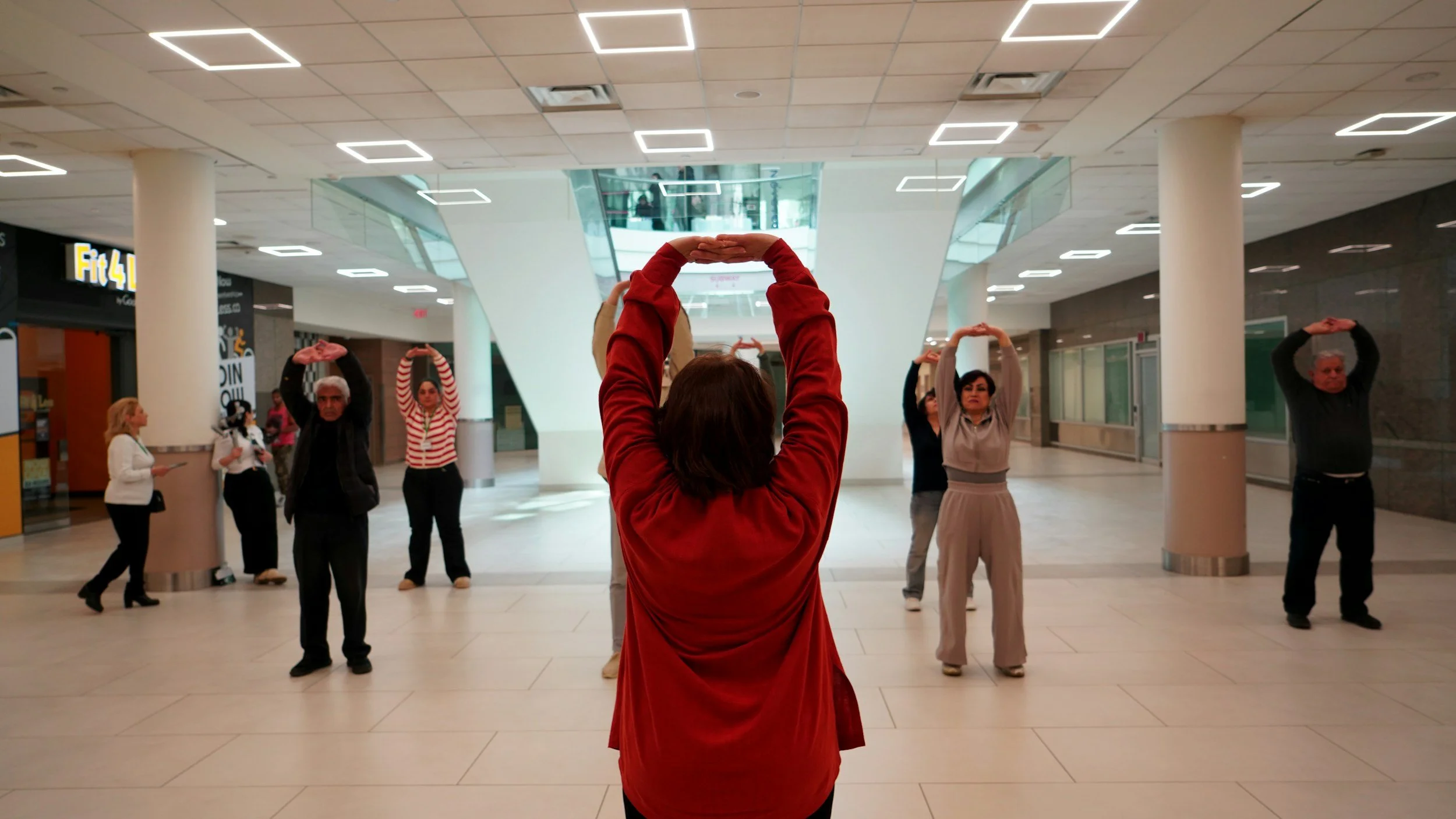
How Tai Chi Improves Physical Health, Mental Wellbeing, and Confidence, especially for assertive mindset seekers.
What is Tai Chi?
Tai Chi is a gentle, low-impact form of exercise that combines slow, flowing movements with deep breathing and mental focus. It originated in China as a martial art used for self-defence but has evolved into a popular practice for improving both physical and mental wellbeing. Each movement is performed in a calm, controlled, and continuous sequence, encouraging balance, coordination, flexibility, and good posture. Unlike high-intensity workouts, Tai Chi places very little stress on the muscles and joints, making it a safe and accessible activity for people of all ages and fitness levels, including older adults and those recovering from injury. The practice also encourages mindfulness by helping individuals focus on their breathing and body movements, which can reduce stress, improve concentration, and promote a sense of relaxation. Because of its many health benefits, Tai Chi is now practised by millions of people around the world in parks, community centres, gyms, and homes as a way to maintain both physical health and emotional wellbeing.
Brief History
Tai Chi originated in China over 300 years ago, although its roots can be traced back even further to ancient Chinese martial arts, philosophy, and traditional medicine. It is believed to have been influenced by the principles of Taoism, which emphasise living in harmony with nature and maintaining balance between opposing forces, known as yin and yang. Originally, Tai Chi was developed as a form of self-defence, with practitioners using slow, controlled movements to improve their strength, coordination, and combat skills. Over time, people began to recognise that regularly practising Tai Chi also improved physical health, reduced stress, and promoted relaxation. As a result, its focus gradually shifted from martial arts to health and wellbeing. Today, Tai Chi is practised by millions of people around the world in parks, community centres, fitness classes, and healthcare settings. It is widely recognised as a gentle, low-impact form of exercise that helps improve balance, flexibility, mental wellbeing, and overall quality of life.
How Tai Chi can help you be more assertive
Practising Tai Chi can help develop a resilient and assertive mindset by teaching patience, self-control, and confidence. The slow, controlled movements require concentration and perseverance, encouraging practitioners to stay calm and focused even when learning challenging techniques. Over time, this helps build resilience by improving the ability to cope with setbacks, manage stress, and remain determined when faced with difficulties. Tai Chi also promotes self-awareness and emotional control through mindful breathing and relaxation, allowing individuals to respond to situations thoughtfully rather than reacting impulsively. As skills and confidence grow with regular practice, people often become more assertive, trusting their own abilities and making decisions with greater confidence. These mental qualities can be applied to everyday life, helping individuals handle pressure, communicate more effectively, and face challenges with a positive and balanced attitude.
Benefits
Physical Benefits
Improves balance and coordination
Regular practice helps improve stability and body control, making everyday movements safer and more efficient.Increases flexibility and joint mobility
The slow, gentle movements stretch the muscles and improve the range of motion in the joints without causing strain.Strengthens muscles and improves posture
Holding controlled positions helps build muscle strength while encouraging correct body alignment and better posture.Enhances overall fitness without putting stress on the joints
Tai Chi is a low-impact exercise that improves cardiovascular fitness, endurance, and muscle tone while being gentle on the knees, hips, and other joints.May reduce the risk of falls, especially in older adults
Better balance, stronger leg muscles, and improved coordination can help people stay steady on their feet and prevent falls.
Mental Benefits
Reduces stress and anxiety
The combination of slow movements and deep breathing helps calm the mind and lower stress levels.Improves concentration and focus
Following movement sequences requires attention and mental discipline, which can improve focus over time.Encourages relaxation through controlled breathing
Deep, steady breathing helps relax the body, reduce tension, and create a sense of calm.Promotes mindfulness and emotional wellbeing
Tai Chi encourages people to stay present in the moment, helping to improve emotional balance and overall wellbeing.Can improve sleep quality and boost mood
Regular exercise and relaxation can lead to better sleep patterns while increasing feelings of happiness and reducing symptoms of low mood.
How to Get Started
Getting started with Tai Chi is simple because it requires very little equipment, just comfortable, loose-fitting clothing, supportive flat shoes (or bare feet if appropriate), and enough space to move freely. Beginners should begin by learning the basic principles of Tai Chi, including correct standing posture, slow weight shifting, controlled arm movements, relaxed body positioning, and deep, steady breathing. It is recommended to practise for 10–20 minutes each day, gradually increasing the length of each session as confidence and ability improve. Many beginners find it helpful to learn from a qualified instructor or follow beginner-friendly videos to ensure they are performing the movements correctly and safely.
A simple beginner's routine could start with 2–3 minutes of deep breathing and gentle warm-up stretches, followed by practising Commencing Form, Ward Off, Cloud Hands, and Parting the Wild Horse's Mane, repeating each movement several times to develop balance, coordination, and muscle memory. The session can finish with a few minutes of slow breathing and gentle stretching to help the body relax.
The best time to practise Tai Chi is often in the morning, as the gentle movements can improve circulation, increase energy levels, and prepare both the mind and body for the day ahead. However, practising in the evening can also be beneficial, as it helps relieve stress, relax tense muscles, and promote better sleep. The most important factor is practising regularly, as consistency leads to greater improvements in both physical fitness and mental wellbeing over time.
The Short Form is a simplified sequence of Tai Chi movements designed to make the practice easier to learn while still providing most of its health benefits. It is commonly taught to beginners because it contains fewer movements than the traditional long forms but still focuses on balance, coordination, breathing, posture, and relaxation.
The most well-known Short Form is the Yang 24-Form Tai Chi, which consists of 24 movements performed in a continuous, flowing sequence. It was developed in China in 1956 to make Tai Chi more accessible to the general public.
What is the Short Form used for?
Learning the basics – It teaches fundamental Tai Chi techniques, including posture, weight shifting, balance, and coordinated movements.
Improving health – Regular practice helps improve flexibility, strength, balance, and cardiovascular fitness.
Reducing stress – Slow movements combined with deep breathing promote relaxation and reduce anxiety.
Building confidence – It provides a manageable routine for beginners before progressing to longer, more advanced forms.
Daily exercise – The full sequence usually takes 4–8 minutes to complete, making it easy to fit into a daily routine.
Because it is shorter and easier to remember than traditional forms, the Short Form is the version most commonly taught in community classes, schools, and health programmes.
summary
Incorporating Tai Chi into your daily routine is a simple and effective way to improve both your physical and mental wellbeing. By setting aside just 10–20 minutes each day to practise, whether in the morning to prepare for the day or in the evening to unwind, you can gradually build strength, flexibility, balance, and coordination. Regular practice also develops patience, self-discipline, and resilience, helping you stay calm and focused when faced with challenges. As your skills and confidence improve, you are likely to become more assertive by trusting your abilities, making decisions with greater confidence, and communicating more effectively. Over time, Tai Chi can help you develop a stronger body, a more positive mindset, and the confidence to approach everyday situations with calmness, determination, and self-belief.