Great British Autumn Walks
Autumn is one of the best times of year to get outside and go for a walk. The air feels crisp, the trees put on one last spectacular show before winter, and suddenly even an ordinary walk can feel like a proper adventure. From crunchy leaves and woodland trails to misty mornings, cosy cafés and the excitement of Halloween, Bonfire Night and the build-up to Christmas, there is something about autumn that makes getting outdoors feel a little bit magical.
But walking in nature isn't just good for your legs. Spending time outdoors can support your mental wellbeing, helping you feel calmer, clearer and more grounded. And when your mind is in a better place, it becomes much easier to be assertive, resilient and confident in everyday life.
Think of it as part of your assertiveness toolkit. Being assertive isn't simply about knowing what to say or standing up for yourself. It's also about having the mental space and emotional resilience to respond rather than react. A walk can give you that breathing space — time away from screens, noise, work and other people's demands to reset your head and reconnect with yourself.
So, pull on your boots, grab the kids if you've got them, leave your phone in your pocket and embrace the great British autumn. 🍂
And perhaps the best thing? There doesn't have to be a fitness goal. You don't need to walk 10 miles, track your steps or climb a mountain. A wander through the woods, a stroll around a park or a walk along the beach all count.
10 ways nature can support your mental health
Space away from everyday life to think. Getting outside gives you a chance to step away from work, screens, responsibilities and other people's demands. That physical distance can give your brain some much-needed breathing space and help you think more clearly.
Destress and slow down. Life can feel like one long list of things that need doing. A walk gives you permission to stop, breathe and take things at your own pace, helping you step out of that constant "must do" mindset.
Peace and quiet. There is something incredibly calming about being somewhere without phones ringing, emails pinging and people asking you questions. Even a short spell of peace and quiet can help you feel more grounded.
Fresh air. There's a reason we talk about needing to "get some fresh air". Getting outside, breathing deeply and changing your surroundings can help you feel refreshed and give you a welcome break from stuffy indoor spaces.
Re-energise your mind and body. Feeling sluggish? Get your shoes on and go for a walk. Moving your body and getting outside can leave you feeling more awake, refreshed and ready to tackle whatever comes next.
Get some vitamin D. When the sun makes an appearance, being outdoors gives your body the opportunity to make vitamin D, which is important for normal bones, muscles and immune function. And let's face it — a bit of autumn sunshine can lift your spirits too.
Have fun. Nature doesn't have to be serious or sensible. Climb, scramble, paddle in puddles, explore, hunt for conkers, kick through leaves or race the kids to the next tree. Having fun is good for us, and grown-ups don't do enough of it.
Be creative. Changing your environment can help shake up your thinking. Take photographs, draw, notice colours and textures, collect ideas for your next creative project or simply allow your mind to wander. Sometimes your best ideas arrive when you're not trying to have them.
Get some good exercise. Walking is one of the simplest ways to get your body moving. You don't need a gym membership or an expensive piece of equipment — just some comfortable shoes and somewhere to go. A longer or hillier walk can give you a proper workout, while a gentle stroll still gets you moving.
Build resilience, calm and confidence. Nature can give you a chance to practise the mindset behind assertiveness. You learn to slow down rather than react, deal with discomfort, make your own decisions and keep going when things aren't perfect. That feeling of "I've got this" can carry over into everyday life — helping you handle difficult conversations, maintain boundaries and respond to challenges with more calm and confidence.
5 Great British autumn walks and outdoor adventures
1. Delamere Forest — woodland magic
If you want autumn colour, woodland paths and that proper crunchy leaves under your boots feeling, Delamere Forest is hard to beat.
There are routes of different lengths, so it's easy to make this a gentle wander or a longer adventure. It's also a great option with children, with plenty to keep them interested rather than simply telling them to "walk nicely".
Autumn challenge: Give everyone a colour hunt — find something red, orange, yellow, green and brown.
2. Dunham Massey — deer, trees and an easy escape
Dunham Massey is brilliant for an autumn day when you want countryside without committing to a serious hike.
The parkland, ancient trees and autumn colours make it particularly atmospheric at this time of year. Keep your eyes open for the deer, explore the grounds and take your time wandering through the changing landscape.
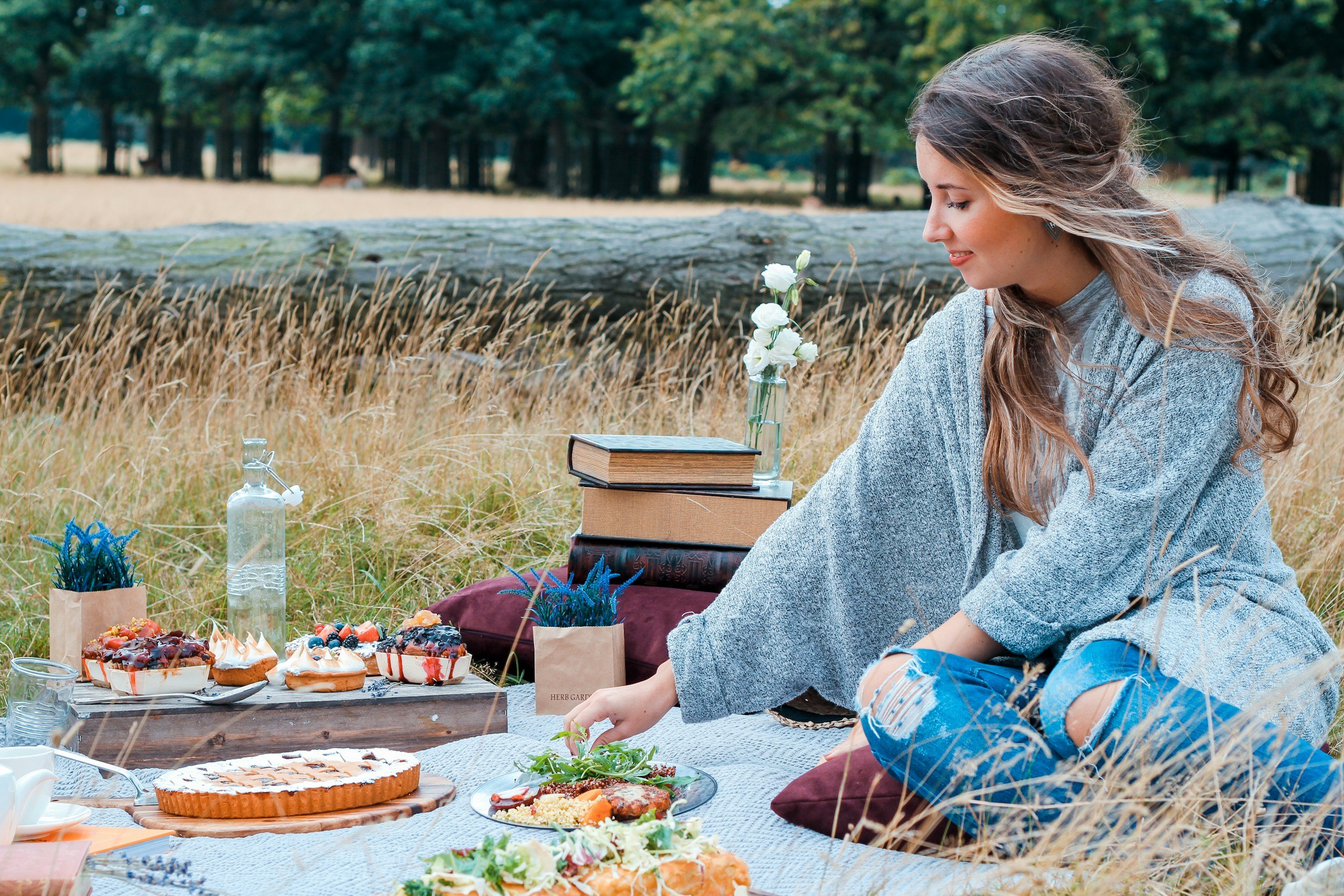
And don't forget the autumn picnic! Pack a flask of something warm, a few sandwiches, sausage rolls, fruit and some autumn treats, find a spot in the parkland and make a proper day of it. There's something lovely about eating outside when the air is crisp and the trees are turning gold — just bring a blanket, extra layers and don't let a few chilly fingers put you off!
Make the walk an adventure
If you've got children with you, don't just tell them to walk — give them things to look for.
Autumn is brilliant for getting kids to notice what is happening in nature. Who can spot the first conker? Can you find an acorn, an interesting leaf, a feather, a pine cone or a mushroom? Look for different coloured leaves and see how many shades of brown, orange, yellow and red you can find.
Try an autumn scavenger hunt, make a nature bingo card before you leave, or give everyone a colour to look for. You could even challenge the kids to find something tiny, something huge, something smooth, something prickly and something that makes a noise.
And get creative. Collect fallen leaves and use them to make pictures, arrange natural objects into patterns, take photographs of interesting textures or see who can create the best little woodland character from things you've found on the ground. Just remember to leave living plants, fungi and wildlife where they are.
Take time to notice the seasonal changes too. The leaves are changing colour, trees are losing their leaves, animals are preparing for winter, birds are behaving differently and the days are getting shorter. Suddenly, a simple walk becomes a chance to actually look at the world around you.
It's a good family-friendly reset when everyone needs to get out of the house but nobody particularly wants to climb a mountain. Let the kids run, explore, get creative and burn off some energy while you enjoy a slower pace, fresh air and a bit of autumn magic.
3. The Roaches — for a proper adventure
For something a little more dramatic, head into the Peak District and explore The Roaches.
Rocky landscapes, big views, heather, woodland and changing autumn colours make this feel much more like an adventure than a Sunday stroll.
It's particularly good if your idea of mental wellbeing involves getting your boots muddy and remembering that you're capable of more than you thought.
Just choose your route carefully and check conditions before heading out, particularly with younger children.
4. Formby — autumn by the coast
Autumn doesn't have to mean woodland.
Formby combines pine woodland with a huge stretch of coastline, making it a lovely place for a blustery autumn walk. There's something wonderfully refreshing about getting outside when the wind is blowing, hearing the sea and coming home with rosy cheeks.
It's also a great one for children — woodland exploring followed by the beach gives you plenty of opportunities for adventure.
Assertive Ninja rule: Don't worry about getting the perfect Instagram photo. Put the phone away and actually experience the walk.
5. Lyme Park — autumn adventure with a bit of history
Lyme Park is another excellent autumn option, with woodland, open countryside, hills, views and plenty to explore.
It's particularly good for a whole autumn day out, rather than simply going for a walk. You can explore the grounds, find a quieter route away from the crowds and make the most of the changing landscape.
And that's really the point of an autumn walk: you don't have to be training for anything.
You can walk to clear your head.
Walk to have a chat.
Walk to let the kids burn off some energy.
Walk because you're annoyed.
Walk because you're happy.
Walk because you've spent too long staring at a screen.
Or walk simply because it's a beautiful autumn day.
Cheaper & cheerful days out
You don't need a theme park, expensive activity centre or organised day out. Sometimes the best family memories come from a flask of hot chocolate, muddy boots, a bag of sandwiches and seeing who can find the biggest conker.
And if you're going alone? Even better. You can walk at your own pace, put your headphones away, notice what's around you and enjoy some genuinely uninterrupted time to yourself.
1. Go for a woodland colour walk
You don't need to pay to enjoy a lot of National Trust countryside. Places such as Quarry Bank have extensive woodland walks, while other National Trust estates have public footpaths and free-access parkland. Autumn is perfect for looking for changing leaves, fungi, berries, birds and signs of wildlife preparing for winter.
2. Have an autumn picnic
Take sandwiches, sausage rolls, cake and a flask of hot chocolate and find somewhere beautiful to eat outdoors. You don't need an expensive café lunch to make a day of it. A blanket, warm clothes and a flask can turn a simple walk into a proper autumn adventure.
3. Make your own autumn scavenger hunt
Give the kids a list of things to find:
🍁 Red leaf
🌰 Conker
🍂 Biggest leaf
🐦 Bird
🍄 Mushroom
🪶 Feather
🌳 Interesting tree
🕸️ Spider web
🟠 Something orange
💧 Something covered in water
You could even make it competitive and see who can spot everything first.
4. Look for signs of autumn
Instead of simply walking through the landscape, encourage everyone to notice what's changing. Why are the leaves changing colour? Which trees have already lost their leaves? What animals are preparing for winter? Are there more mushrooms appearing? Can you hear different birds?
It turns the walk into a little outdoor nature lesson without anyone realising they're learning.
5. Get creative with nature
Take a sketchbook and draw interesting leaves, trees or fungi. Photograph autumn colours and textures. Make pictures or patterns from fallen leaves. Build a tiny woodland character from sticks, leaves and pine cones — then leave it behind for someone else to discover.
6. Play Pooh sticks
This is a particularly good one for children. National Trust's Quarry Bank woodland walks even include bridges where you can have a game of Pooh sticks.
7. Build a den
Find somewhere where den building is permitted and let the kids loose with sticks and branches. Felbrigg Estate specifically highlights den building in the woods as one of its family activities.
8. Go on a wildlife hunt
Take binoculars if you have them, but you don't need specialist equipment. Look for squirrels, deer, birds, fungi, insects and animal tracks. Autumn can be a particularly interesting time because wildlife is preparing for the colder months.
9. Go somewhere just to see the autumn colour
Some National Trust landscapes are particularly spectacular in autumn. Calke Abbey, for example, describes its historic parkland as coming alive with autumn colour and fungi.
10. Find a free National Trust walk near you
The National Trust has a useful Top Free Places to Visit list, including places such as Morden Hall Park and Downs Banks, where you can enjoy the outdoors without paying an admission fee.
Your autumn mental reset
The next time you're feeling stressed, overwhelmed, frustrated or stuck in your own head, don't automatically reach for your phone, scroll through social media or try to think your way out of it.
Put your shoes on and go outside.
You don't need a five-mile hike, expensive walking gear or even to feel like going. Give yourself 30 minutes. Walk around the block, head to your local park, find a footpath or wander through some woods. Take the dog, take the kids — or go by yourself if what you really need is some peace and quiet.
Step away from whatever is filling your head and pay attention to what's around you.
Notice the trees. Look at the colours of the leaves. Listen to the birds. Feel the cold autumn air. Watch the leaves blowing in the wind. Notice the things you might normally walk straight past — a spider web covered in dew, a mushroom, an acorn or a squirrel burying its food.
Let your brain wander.
The problem might still be there when you get home. The difficult conversation still needs to happen, the work still needs doing and the decision still needs making. But you may feel less overwhelmed by it, see it from a different angle or have an idea you couldn't see before.
Most importantly, you've given yourself enough breathing space to stop reacting and start responding.
That's an important part of being assertive. Assertiveness isn't about being loud or having an answer ready immediately. It's about being able to pause, think clearly, understand what you need and choose how you respond.
Nature can give you that pause.
So when life feels noisy, step outside. When your thoughts are racing, walk. When you're frustrated, breathe. When you're stuck, change your surroundings.
You don't have to earn the right to take 30 minutes for yourself.
It's not wasting time. It's looking after the person who has to deal with everything else.
You might come back with exactly the same problem — but a calmer mind, a clearer head and a little more confidence about what you're going to do next.
Step outside. Breathe. Walk. Reset. Then face the world again — on your own terms.