Be Creative, Solve & Shine
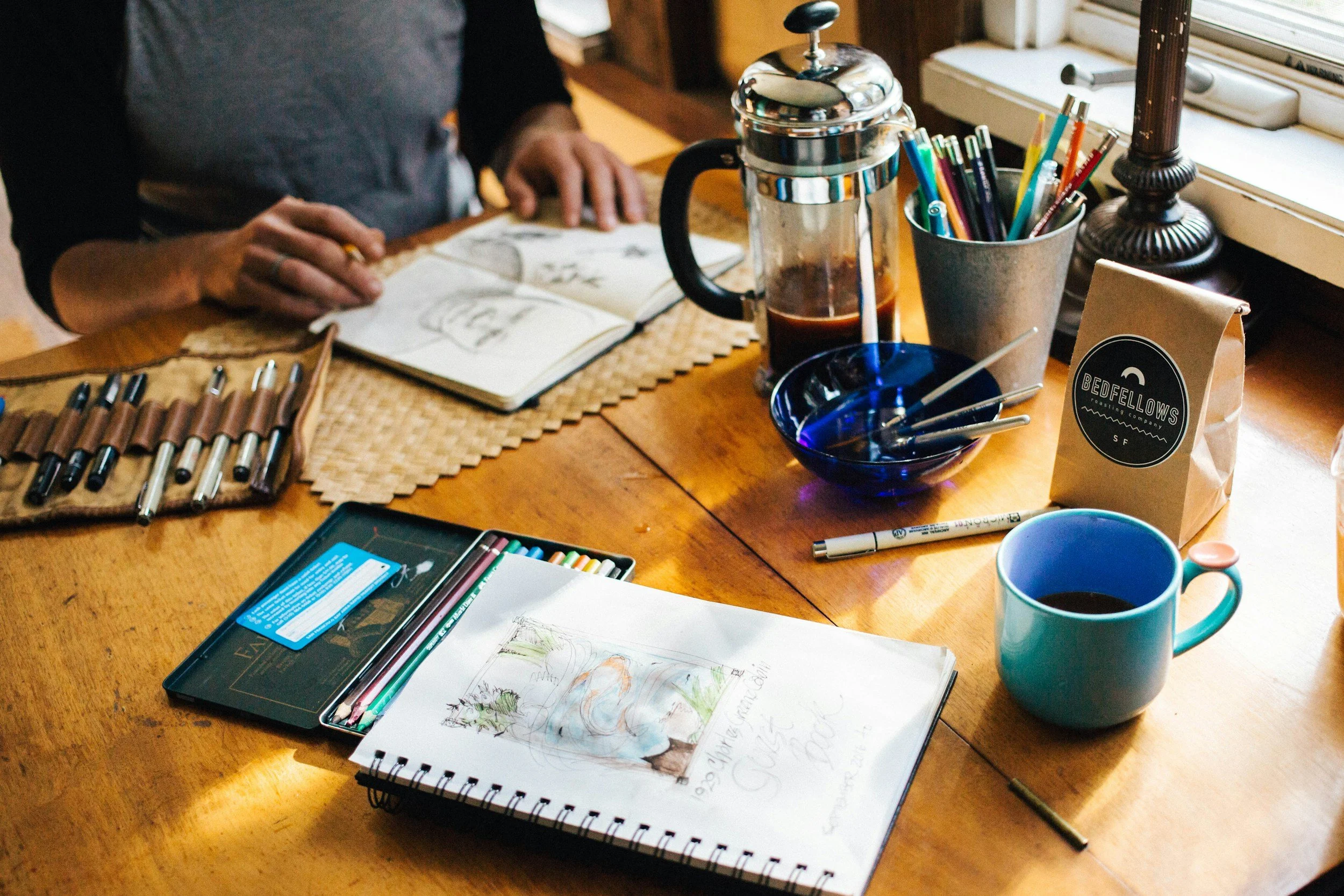
Creativity is the spark that brings joy, innovation, and growth into your life. It allows you to see the world in new ways, imagine possibilities, and express yourself authentically. When you engage your creative abilities, whether through art, writing, music, cooking, or problem-solving, you give yourself permission to explore, experiment, and play. Creativity fuels joy because it connects you with a sense of flow, presence, and accomplishment, reminding you that life is not just about obligations or outcomes, but about the process of making, imagining, and discovering. It also enhances problem-solving, as creative thinking helps you approach challenges from different angles, find novel solutions, and adapt when things don’t go as planned.
Creativity isn’t about being “perfect” or producing masterpieces; it’s about curiosity, exploration, and expression. By embracing creative practice, you push past routine thinking, expand your perspective, and build confidence in your own ideas. This willingness to experiment nurtures personal growth, encouraging you to take risks, learn from mistakes, and develop resilience. Creative expression allows you to process emotions, clarify your values, and communicate in ways that are uniquely yours. Over time, fostering creativity brings a richer, more meaningful life, one filled with joy, curiosity, and the satisfaction of knowing you can approach challenges with imagination and confidence. It transforms everyday tasks into opportunities for discovery, turning obstacles into invitations to innovate, grow, and delight in the process of creation.
Creativity over conformity
Here are the main benefits of learning to be creative, even if you feel that’s not you:-
Boosts problem-solving and adaptability: Engaging in creative thinking helps you approach challenges from new angles, uncover solutions you wouldn’t have seen otherwise, and adapt when things don’t go as planned. This builds hope by showing that obstacles are not permanent, and that you can find ways forward even in unexpected situations.
Fosters personal growth and learning: Creativity encourages exploration, experimentation, and discovery, helping you develop new skills, uncover hidden talents, and gain a deeper understanding of yourself. It strengthens optimism by proving that every effort and experiment teaches you something valuable, even when the outcome is uncertain.
Enhances emotional well-being: Expressing yourself creatively allows you to process emotions, reduce stress, and experience joy, making life feel more vibrant, energising, and meaningful. This supports hope by helping you connect with positive feelings and reminding you that life holds moments of delight and satisfaction.
Strengthens resilience: Trying new ideas, even when they might fail, builds confidence in your ability to handle uncertainty, recover from setbacks, and keep moving forward. Resilience nurtures hope because it reinforces your belief that challenges are temporary and you have the skills to overcome them.
Promotes authenticity and connection: Sharing your unique ideas and perspectives allows you to live more fully as yourself while inspiring and connecting with others. This fosters hopeful thinking by showing that your contributions matter and that meaningful connections and collaboration are possible.
Creates purpose and joy: Engaging in creative activities aligns with your passions, fosters a sense of meaning, and invites playfulness, making everyday life more fulfilling and rewarding. It strengthens hope by reminding you that pursuing what you love generates energy, motivation, and a sense of direction for the future.
creativity is exploration
Creativity is not just a talent, it’s an essential life skill that empowers you to explore possibilities, solve problems, and bring more joy and meaning into your life. When creative expression goes unused, it can quietly limit your growth, your ability to adapt, impact your mental and physical health, and even your sense of life fulfillment.
1. Missed opportunities for growth and discovery
Avoiding creative expression can prevent you from exploring new ideas, learning new skills, or discovering hidden talents. You might miss out on personal development, innovative solutions, or unexpected achievements simply because you feel unsure or hesitant. These missed opportunities can lead to stagnation, frustration, or a sense that life feels repetitive. Embracing creativity allows you to experiment, learn, and uncover abilities you didn’t know you had.
examples: never trying painting, experimenting with a new recipe, or attempting a DIY project or other life skill
2. Reduced problem-solving and adaptability
Without creative thinking, challenges can feel more rigid and overwhelming. You may find yourself stuck in habitual ways of solving problems, missing chances to innovate or adapt when situations change. Creativity helps you approach obstacles from new angles, generate fresh solutions, and navigate uncertainty more confidently.
examples: finding new ways to organise your workspace, approaching a work challenge differently, or thinking of alternative plans when travel gets cancelled
3. Limited joy and self-expression
Neglecting creative outlets can suppress your ability to express feelings, ideas, and imagination. This can leave you feeling disconnected from yourself or others, and reduce your sense of satisfaction or fulfillment. Engaging in creative activities brings joy, energy, and a deeper sense of self-awareness.
examples: journaling your thoughts, composing music, decorating your home, or crafting gifts for loved ones
4. Stagnated curiosity and learning
Without creativity, your mind may stick to familiar routines, missing opportunities to explore, question, and expand your perspective. Creativity encourages curiosity, experimentation, and continuous learning, keeping your thinking dynamic and your mind open to possibilities.
examples: trying a new hobby, exploring new genres of books or film, or experimenting with new problem-solving techniques
5. Fewer connections and inspiration for others
When you hold back creative ideas or expression, you also limit the ways you can inspire, connect, or collaborate with others. Sharing your creativity encourages engagement, mutual inspiration, and meaningful relationships.
examples: showing your artwork, leading a brainstorming session, or collaborating on a project with friends or colleagues
how to be creative
Here are personal skills that help you become more creative, both artistically and in life for growth and problem‑solving. These skills not only support artistic creativity, like drawing, writing, or music, but also enhance everyday problem‑solving, innovation at work, and personal fulfilment. They help you think more openly, adapt better to challenges, and discover new possibilities around you.
1. Self‑awareness
Recognise your creative blocks
– Notice when fear, doubt, or perfectionism stops you from starting a project. Acknowledging these feelings is the first step toward overcoming them.Track your energy and focus
– Pay attention to times of day when your mind is most alert or imaginative. Use this insight to schedule creative tasks when you are naturally more productive.Identify your strengths
– Know which skills or techniques you excel at and enjoy using. This allows you to leverage them in new projects or problem-solving tasks.Monitor your emotional state
– Notice when stress or frustration affects your thinking. Adjusting your environment or approach can help preserve creative flow.Reflect on past successes
– Look back at previous creative achievements to understand what worked. This builds confidence and encourages you to try new ideas.
2. Curiosity
Ask “why” and “what if” questions
– Challenge assumptions and explore alternatives. These questions expand possibilities and spark innovative thinking.Explore new topics
– Read, watch, or learn about areas outside your usual interests. Exposure to different perspectives fuels creative connections.Experiment without judgment
– Try ideas that feel unusual or even silly. Curiosity thrives when failure is treated as a learning opportunity.Observe the world closely
– Notice patterns, problems, or beauty in your surroundings. Paying attention to detail can inspire creative solutions.Follow your impulses to learn
– If something sparks interest, pursue it immediately. This momentum often leads to unexpected creative insights.
3. Divergent thinking
Brainstorm multiple solutions
– Don’t settle for the first idea that comes to mind. Generating many options increases the chance of a breakthrough.Break conventional rules
– Consider alternatives to standard methods or approaches. This opens the door for innovative solutions.Combine unrelated ideas
– Take concepts from different areas and merge them in new ways. Cross-pollination often leads to original creativity.Encourage quantity over quality initially
– Focus on producing ideas without judging them. Reviewing a larger pool of ideas often reveals hidden gems.Practice mind mapping
– Visually connect thoughts, problems, or inspirations. Seeing relationships sparks fresh and unconventional ideas.
4. Problem analysis
Break problems into smaller parts
– Identify each element of a complex challenge. This makes solutions easier to generate and test.Identify root causes
– Look beyond surface symptoms to understand what truly drives the issue. Solving the core problem encourages sustainable results.Ask for input from others
– Gathering perspectives reveals angles you might not see alone. Collaboration strengthens both problem-solving and creativity.Compare multiple approaches
– Evaluate the pros and cons of different solutions. This encourages innovation and informed decision-making.Track outcomes and iterate
– Review results after applying solutions. Adjusting based on feedback improves your creative problem-solving over time.
5. Imagination
Visualise end results
– Picture what success looks like before starting a project. This clarity guides your creative choices and motivates action.Storyboard or sketch ideas
– Putting ideas into a visual form sparks connections you might miss in your head. It makes abstract concepts tangible and actionable.Role-play scenarios
– Imagine how different perspectives experience a problem. This encourages empathy and deeper creative solutions.Use metaphor and analogy
– Compare one idea to another to gain fresh insight. This technique helps reframe challenges creatively.Dream without limits
– Let your mind explore impossible or unusual solutions. Free imagination often uncovers surprising real-world possibilities.
6. Adaptability
Accept change as part of the process
– Flexibility allows creative projects to evolve naturally. Resistance often blocks inspiration.Adjust plans when needed
– If an approach isn’t working, pivot without self-judgment. Creative solutions often arise from unexpected adjustments.Experiment with new tools or methods
– Trying different techniques expands your creative toolkit. Adaptation encourages discovery.Embrace feedback
– Criticism can reveal areas for improvement and spark innovation. Viewing feedback constructively fuels growth.Practice resilience
– Persist despite setbacks or failures. Each adaptation strengthens confidence and creative problem-solving skills.
7. Collaboration
Share ideas openly
– Discuss concepts with others to spark collective insight. Collaboration often generates solutions you might not have found alone.Listen actively
– Hear other perspectives without judgment. Understanding diverse viewpoints encourages creative integration.Build on others’ ideas
– Use teammates’ suggestions as a springboard for your own. Combining ideas creates innovative outcomes.Seek mentors or peers
– Learning from experienced individuals accelerates creative growth. Mentorship also provides inspiration and guidance.Participate in group brainstorming
– Engage in structured sessions that encourage free thinking. These interactions often lead to breakthroughs.
8. Empathy
Understand user needs
– Consider how others experience problems or opportunities. Empathy ensures your creative solutions are meaningful and effective.Imagine different perspectives
– Put yourself in someone else’s shoes when designing solutions. This approach fosters originality and relevance.Observe emotions in others
– Emotional cues can inspire ideas for artistic or practical projects. Awareness deepens the impact of your creativity.Create for impact
– Let empathy guide what problems or themes you tackle creatively. Purposeful creation resonates more strongly.Reflect on feedback
– Understand how others respond to your work. This insight helps refine and improve creative efforts.
9. Reflective practice
Keep a creative journal
– Record successes, failures, and observations. Reflecting regularly reveals patterns and growth opportunities.Analyse past projects
– Review what worked and what didn’t. Learning from experience strengthens future creativity.Ask critical questions
– Evaluate your process and outcomes thoughtfully. Reflection encourages innovation and refinement.Identify recurring challenges
– Spot obstacles that often appear in your work. This awareness helps you devise better strategies.Set improvement goals
– Use reflection to define next steps and skills to develop. This structured approach boosts creative confidence.
10. Playfulness and experimentation
Treat ideas like experiments
– Approach projects with curiosity rather than fear of failure. Playful experimentation encourages innovation.Try unusual approaches
– Test ideas that feel unconventional. Some of the best creative breakthroughs come from unexpected methods.Mix disciplines
– Combine art, science, or other fields in projects. Cross-disciplinary exploration sparks fresh insight.Accept mistakes as learning
– View failures as valuable feedback rather than setbacks. This mindset keeps creativity flowing.Explore without a goal
– Allow yourself to create for fun and curiosity. Play fosters joy, insight, and unexpected solutions.
“To be creative means to be in love with life. Creativity is intelligence, having fun, finding your own personal joy; and seeing possibility where currently there is non.”
How to Be More Creative
Be social and explore with others
Joining groups such as a sports club, dance class, life-drawing session, or drama group exposes you to new ideas, perspectives, and experiences. Being around others who are exploring and creating can spark inspiration and help creativity feel more playful and shared. Make new friends, with shared interests.
Build confidence through gentle hobbies
Creative confidence grows when you practise in low-pressure environments. Activities like painting, knitting, working with clay, card making, or other home-based crafts allow you to experiment freely and enjoy the process without needing to be “good” at it.
Develop practical and useful skills
Learning hands-on skills such as DIY, design, or practical problem-solving strengthens creativity in everyday life. Taking a college course or learning something new outside your comfort zone builds flexibility and encourages innovative thinking.
Adopt a growth mindset
Creativity thrives when you let go of fixed beliefs like “I can’t do that.” Allow yourself to try without expecting perfection, and view mistakes as part of learning rather than failure. Every attempt builds experience and insight.
Be brave and curious
Creativity grows through exploration. Visit new places, take different routes on walks, try unfamiliar activities, and ask questions, curiosity keeps your thinking open and your imagination active. Try doing things that scare you.
Here are 10 affirmations for creativity, crafted to inspire imagination, confidence, curiosity, and problem-solving, even when you feel uninspired or uncertain:
“I allow ideas to flow freely and without judgment.”
Creativity grows when you give yourself permission to explore without criticism.“I trust my imagination to guide me.”
Your ideas don’t have to be perfect to be valuable—they just need space to exist.“I can find creative solutions to any challenge.”
Every problem holds possibility when you approach it with openness and flexibility.“I create without needing approval or permission.”
Your creativity is valid because it comes from you.“I embrace curiosity and explore new possibilities.”
Asking questions and experimenting keeps creativity alive and evolving.“I learn and grow through experimentation.”
Mistakes are not failures, they are part of the creative process.“I express myself authentically and freely.”
Creativity thrives when you honour your unique voice and perspective.“I am open to inspiration from unexpected places.”
New ideas often appear when you stay curious and attentive.“I turn blocks into breakthroughs.”
Creative pauses are invitations to think differently, not signs of limitation.“Creativity is part of who I am.”
You don’t need to earn creativity—it’s already within you, ready to be used.
Creativity isn’t about having constant inspiration, it’s the willingness to explore, experiment, and express ideas even when the outcome is uncertain. It shows up in the small, everyday moments when you try a new approach, think differently, or allow yourself to play without knowing where it will lead. Learning to be creative means giving yourself permission to be imperfect, curious, and open to possibility. It’s about trusting your imagination, adapting when things don’t work, and believing that new solutions can emerge through exploration. Creativity grows each time you move beyond routine—when you experiment after getting stuck, reimagine problems after setbacks, and choose curiosity over conformity. With every creative act, no matter how small, you build flexibility, confidence, and joy. Creativity isn’t something reserved for a few—it’s a skill you strengthen by showing up, exploring, and allowing yourself to create, again and again.
Creative expression also brings play, joy, and emotional release into your life. When you engage in creativity for its own sake, painting, writing, music, crafting, movement, or any form that feels right to you, it becomes a space where you can relax, explore, and express what words alone sometimes can’t. There’s no single “right” way to be creative; the value lies in finding your way of doing it, at your own pace, without pressure or comparison. Artistic creativity can calm the mind, reduce stress, and help process emotions, making it a powerful support for mental health and well-being. By giving yourself time to create freely, you create room for joy, self-expression, and connection with yourself, reminding you that life doesn’t always have to be productive to be meaningful.