Your Right to Say No - A How-to Guide
Saying "no" is a powerful form of self-respect. Whether it’s declining an extra work task, refusing a favour that drains you, or turning down plans you’re not up for—you have the personal right to say no. This guide will help you understand that right and give you practical tools to use it confidently.
Read More
Gluten Free Lunches
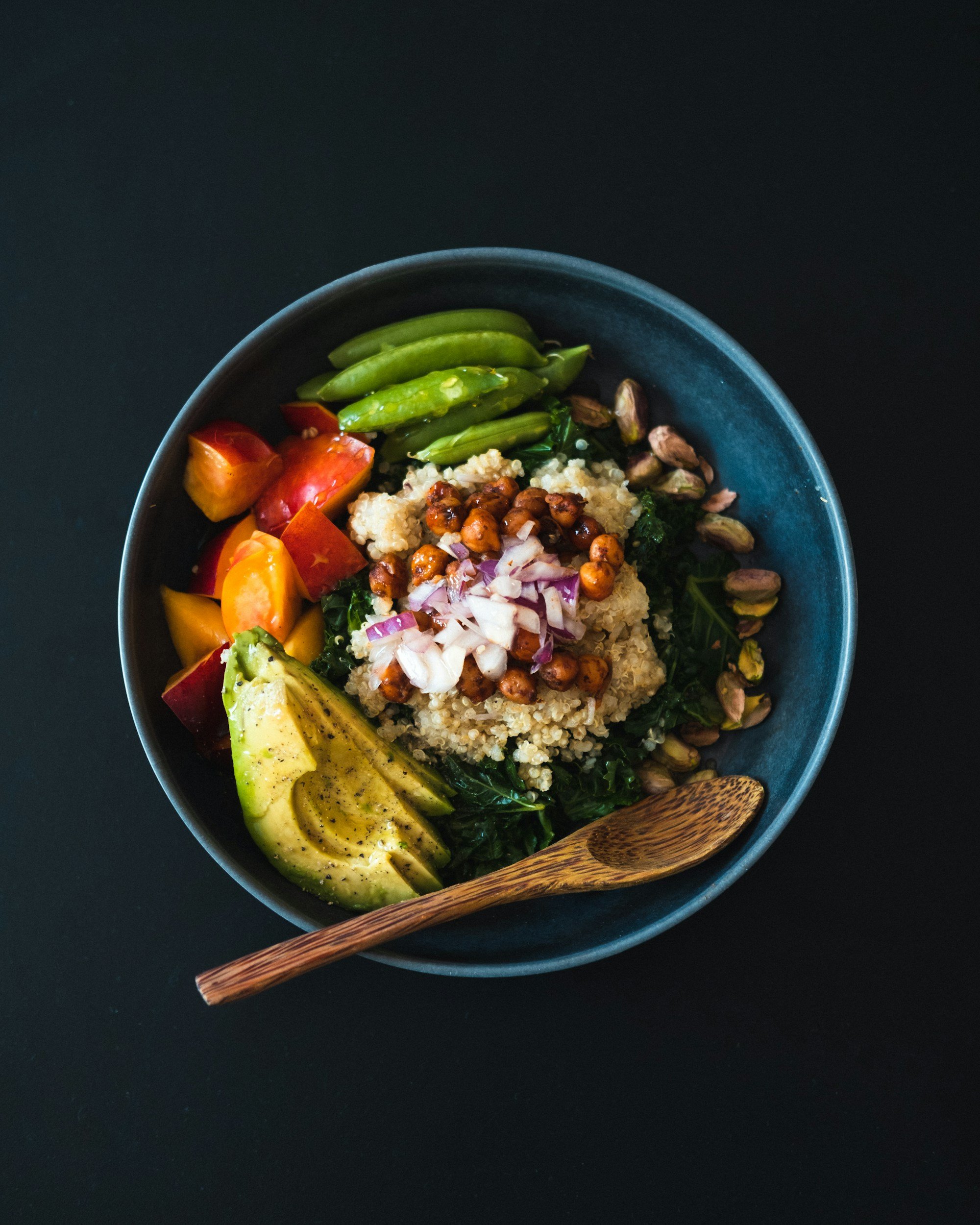
A gluten-free diet can be essential for individuals with celiac disease or gluten sensitivity and may also support overall health and well-being for others. Eliminating gluten—found in wheat, barley, and rye—can help reduce inflammation, improve digestion, and boost energy levels for those with gluten-related disorders. It may also promote clearer skin, better nutrient absorption, and improved focus. Choosing naturally gluten-free foods—such as fruits, vegetables, lean meats, poultry, fish, eggs, dairy, legumes, nuts, seeds, and gluten-free whole grains like quinoa and rice—can support healthy eating habits and help maintain a balanced diet. A thoughtful gluten-free approach can also aid in weight management and overall gut health. Incorporating a variety of wholesome, gluten-free ingredients into your meals is key to enjoying the benefits and supporting long-term wellness. Click on the lunch below and then click on the image for each tasty recipe!
Read More
Which Holistic Therapy is Right for You?
Holistic therapy can help you become more assertive by addressing both the mental and emotional aspects of your well-being. Techniques such as mindfulness, meditation, and holistic practices encourage self-awareness and self-reflection, allowing you to better understand your needs, boundaries, and desires. By fostering a deep connection with your inner self, you gain the confidence to communicate more effectively and set healthy boundaries in various situations. Additionally, holistic therapies often integrate practices like energy healing or body work, which can release stored tension or past trauma, further empowering you to express yourself assertively without fear or hesitation.
Read More
High Protein Lunches
A high-protein diet is essential for maintaining overall health and well-being. Protein plays a vital role in building and repairing tissues, supporting muscle growth, and maintaining a strong immune system. It also contributes to healthy skin, hair, and nails, and is necessary for the production of enzymes and hormones. Including protein-rich foods—such as lean meats, poultry, fish, eggs, dairy, legumes, nuts, and seeds—can help regulate appetite and support weight management by promoting a feeling of fullness. Additionally, a balanced protein intake can enhance metabolism and preserve muscle mass, especially during weight loss or aging. Incorporating a variety of protein sources into daily meals is key to unlocking these benefits and supporting long-term health. Click on the lunch below and then click on the image for each tasty recipe!
Read More
Dealing with Rude Verbal Insults
Not all insults are created equal. Some come from a place of pain, jealousy, or manipulation, while others are just awkward, socially unaware comments. The key is to stay grounded and self-aware—respond with clarity and confidence, protecting your peace without losing your cool.
Read More